
- Home/
- Buy Ventolin Inhaler Online in the United States Fast and Easy
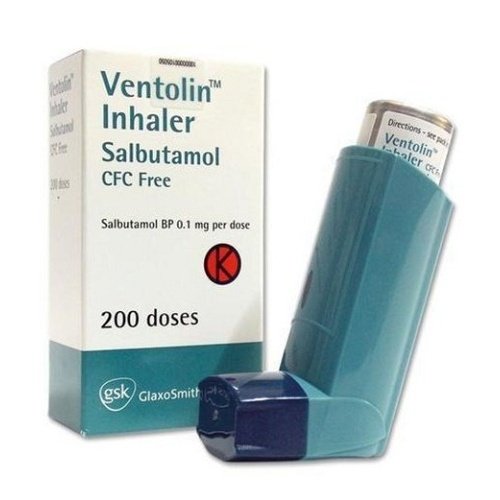
Can Ventolin Inhaler Be Purchased Without a Prescription in the United States?
No, Ventolin Inhaler requires a valid prescription from a licensed healthcare provider in the United States. It is not available over-the-counter and cannot be legally dispensed without a prescription from a physician or other authorized prescriber.
Key Takeaways: What You Need to Know About Ventolin Inhaler in the United States
- Ventolin Inhaler is a fast-acting bronchodilator used for relief of acute asthma symptoms and certain other respiratory conditions.
- A valid doctor’s prescription is required to obtain Ventolin Inhaler in any state or city across the United States.
- It provides quick relief—usually within minutes—making it essential for asthma rescue situations, but does not address underlying inflammation.
- Common side effects include tremor and increased heart rate; serious reactions are rare but require immediate medical attention.
- Patients with heart disease, certain arrhythmias, or other specific conditions should discuss risks and benefits with their provider before use.
- If symptoms are not controlled by Ventolin or worsen, seek medical advice promptly as this may indicate poorly controlled asthma or another condition.
How Does Ventolin Inhaler Work in the Body?
Ventolin Inhaler contains the active ingredient salbutamol (also known as albuterol in the United States). It is classified as a short-acting β2-adrenergic receptor agonist (SABA). The β2-adrenergic receptors are found primarily on the smooth muscle cells lining the airways of the lungs. When salbutamol binds these receptors, it activates adenylate cyclase, increasing intracellular cyclic AMP (cAMP). The rise in cAMP causes relaxation of bronchial smooth muscles, leading to rapid bronchodilation—meaning the airways widen to allow easier airflow.
This action provides almost immediate relief from bronchospasm (tightening of the muscles around the airways) due to asthma, chronic obstructive pulmonary disease (COPD), or exercise-induced bronchoconstriction. The onset of action is typically within 5 minutes, with peak effect at 30–60 minutes, and duration of action about 4–6 hours.
Metaphor: Think of your airways like a tunnel with movable walls. During an asthma attack, the walls squeeze in. Ventolin Inhaler acts like a rapid-release latch, relaxing the tunnel walls so air can flow through freely again.
Myth vs Reality: Myth: Ventolin Inhaler treats the underlying cause of asthma. Reality: It only relieves acute symptoms by relaxing airway muscles; it does not reduce airway inflammation or prevent future attacks.
Misconceptions About Immediate Symptom Relief: A Physician’s Perspective
In my clinical practice, I often encounter patients who equate the ability to breathe easily after using Ventolin with full asthma control. This is a common misconception. While the immediate relief of shortness of breath feels reassuring, it can create a false sense of security. Many patients overlook the importance of ongoing, preventative therapies—especially inhaled corticosteroids—which address the underlying inflammation. Another frequent issue is the assumption that frequent Ventolin use is harmless; in reality, increasing reliance on rescue inhalers may signal poorly controlled asthma and an increased risk of serious exacerbations. Patients rarely ask about the safe frequency of Ventolin use, the risks of overuse, or when to step up therapy. It’s crucial for anyone prescribed Ventolin to understand that rescue inhalers are not a substitute for long-term management, and that regular follow-up with a healthcare provider remains essential for optimal outcomes.
How Should Ventolin Inhaler Be Used?
The standard recommended dose for adults and children over 4 years old is 1–2 inhalations (90–180 mcg) as needed for symptom relief. For prevention of exercise-induced bronchospasm, 2 inhalations taken 15–30 minutes before activity are advised. The maximum dose is 8 inhalations (720 mcg) per 24 hours unless otherwise directed by your healthcare provider. Exceeding this limit can increase the risk of serious side effects such as rapid heart rate, hypokalemia, and chest pain.
Elderly patients or those with impaired liver or kidney function generally do not need dose adjustments, but caution and physician monitoring are advised.
- Ventolin Inhaler should be used only when needed, not on a fixed schedule, unless instructed otherwise by your doctor.
- Each actuation delivers 90 mcg of salbutamol (albuterol) sulfate.
- Tablets or oral forms of albuterol are available but are rarely used for acute relief in the United States and have a higher risk of systemic side effects.
Peak effect is seen within 30–60 minutes, and the effect usually lasts about 4–6 hours.
How Do Food, Alcohol, and Lifestyle Interact with Ventolin Inhaler?
Food: Ventolin Inhaler is inhaled and does not undergo significant gastrointestinal absorption, so food intake does not affect its effectiveness or speed of action.
Alcohol: Moderate alcohol consumption does not interact directly with salbutamol. However, excessive alcohol can depress respiratory drive, which can worsen breathing problems in people with asthma or COPD. It’s always safest to use alcohol with caution if you have any respiratory conditions.
Grapefruit Juice: There is no clinically significant interaction between grapefruit juice and salbutamol.
- Physical activity and exercise: Salbutamol is commonly used to prevent exercise-induced bronchospasm—do not skip your pre-exercise dose if this is your trigger.
- Other stimulants (caffeine, energy drinks): These may amplify side effects such as palpitations or tremor.
Who Should Not Use Ventolin Inhaler?
- Absolute Contraindications
-
- Known hypersensitivity to salbutamol (albuterol) or any component of the inhaler (e.g., lactose).
- Severe allergic reaction to other β2-agonists.
- Relative Contraindications (Caution Required)
-
- Cardiac arrhythmias (especially tachyarrhythmias): Salbutamol stimulates the heart and can worsen abnormal rhythms.
- Coronary artery disease or history of heart attack: Use only under close supervision. Ventolin may cause increased heart rate and oxygen demand.
- Severe hypertension: Risk of blood pressure spikes.
- Hyperthyroidism: Increased sensitivity to sympathomimetics can cause tremors, palpitations, or arrhythmias.
- Diabetes mellitus: High doses of salbutamol may increase blood glucose; monitor especially in poorly controlled diabetes.
- Low potassium (hypokalemia): Risk is higher with frequent use or with concurrent diuretic therapy.
- Pregnancy and breastfeeding: Use only if benefits outweigh risks. Salbutamol crosses the placenta and is excreted in breast milk.
- Drug Interactions
-
- Beta-blockers (e.g., propranolol): Can block the bronchodilation effect and may cause severe bronchospasm.
- Monoamine oxidase inhibitors (MAOIs) and tricyclic antidepressants: May increase cardiovascular effects of salbutamol.
- Other sympathomimetic drugs: Additive cardiac risk.
- How Soon After a Heart Attack?
- No universal rule, but generally salbutamol may be used only under specialist supervision and after a thorough cardiovascular assessment.
Bottom line: Always inform your doctor about all your medical conditions and medications before starting Ventolin Inhaler.
What Side Effects Are Most Common with Ventolin Inhaler?
Side effects are grouped by frequency and explained for clinical relevance.
- Very Common (>1/10)
-
- Tremor (shakiness): Stimulates peripheral nerves; usually mild, resolves with continued use.
- Palpitations or increased heart rate (tachycardia): Due to cardiac β1 stimulation at high doses.
- Common (1/100–1/10)
-
- Headache
- Muscle cramps
- Mild throat irritation or cough immediately after inhalation
- Uncommon/Rare (<1/100–1/1000)
-
- Chest pain (angina), particularly in patients with heart disease
- Paradoxical bronchospasm (worsening of breathing after inhalation): If this occurs, stop use and seek medical help immediately.
- Low potassium (hypokalemia): May cause muscle weakness, irregular heartbeat.
- Allergic reactions: Rash, swelling, or anaphylaxis (very rare).
- Very Rare (<1/10,000)
-
- Severe allergic reactions (anaphylaxis)
- Psychiatric symptoms (anxiety, agitation)
Guidance if side effects occur: For mild side effects (tremor, mild palpitations), continue use unless symptoms worsen. For chest pain, severe palpitations, severe allergic symptoms, or paradoxical bronchospasm, stop use immediately and seek emergency care.
Common Mistakes When Using Ventolin Inhaler—And How to Avoid Them
- Poor inhaler technique: Many patients do not coordinate inhalation with actuation, leading to much of the dose being wasted. Solution: Practice with your doctor or pharmacist, and consider using a spacer device if recommended.
- Skipping inhaler priming or shaking: Not priming the inhaler before the first use or after a long period without use can lead to subtherapeutic dosing. Solution: Always shake and prime the inhaler as instructed in the patient leaflet.
- Overusing for chronic symptoms: Relying on Ventolin for daily symptom control instead of using controller medications can mask worsening airway inflammation. Solution: Use Ventolin only for rapid relief and consult your doctor if you need it more than twice a week.
- Not rinsing mouth after use: While less problematic than with steroid inhalers, not rinsing can cause throat irritation. Solution: Rinse your mouth with water after use.
- Ignoring expiration dates or storage instructions: Using expired or improperly stored inhalers can result in reduced effectiveness. Solution: Replace inhaler after the labeled number of actuations or expiration date, whichever comes first.
- Not carrying inhaler: Leaving the inhaler at home can result in dangerous delays during an asthma attack. Solution: Always have your rescue inhaler accessible.
How Does Ventolin Inhaler Compare to Alternatives?
In the United States, several short-acting beta-agonist (SABA) inhalers are available for acute asthma relief. The table below compares Ventolin (albuterol), ProAir (albuterol), and Xopenex (levalbuterol).
| Product | Active Ingredient | Onset (min) | Duration (hrs) | Common Side Effects | Typical Price Range (USD) | Notes |
|---|---|---|---|---|---|---|
| Ventolin HFA | Albuterol sulfate | ~5 | 4–6 | Tremor, tachycardia | $30–$75 per inhaler* | Widely available as brand and generic |
| ProAir HFA/RespiClick | Albuterol sulfate | ~5 | 4–6 | Tremor, tachycardia | $30–$75 per inhaler* | Similar to Ventolin; different inhaler technology |
| Xopenex HFA | Levalbuterol | ~5 | 4–6 | Tremor (less frequent), tachycardia | $55–$95 per inhaler* | Potentially fewer side effects in some patients |
*Prices are estimates as of early 2026 and may vary by pharmacy, insurance, or location in the United States. Generics generally offer lower prices than brand products.
Summary: All three inhalers offer similar onset and duration, but levalbuterol (Xopenex) may cause less tremor in some individuals. Cost, insurance coverage, and inhaler preference often determine the choice.
Ventolin Inhaler: Technical and Clinical Facts at a Glance
| Parameter | Value |
|---|---|
| Active Ingredient | Albuterol (Salbutamol) sulfate |
| Dose Strength | 90 mcg per actuation (inhalation) |
| Formulation | Metered-dose inhaler (MDI), solution for nebulization |
| Typical Adult Dose | 1–2 inhalations as needed |
| Onset of Action | ~5 minutes |
| Peak Effect | 30–60 minutes |
| Duration of Action | 4–6 hours |
| Storage Requirements | Store at room temperature (68–77°F); avoid extreme heat or freezing. |
| Shelf Life | Check expiration date on packaging |
| Prescription Required | Yes, in the United States |
| Manufacturer | GSK (GlaxoSmithKline) and various generic manufacturers |
Compatibility of Ventolin Inhaler with Other Medications and Products
| Type of Product | Can It Be Combined? | Consequences |
|---|---|---|
| Inhaled Corticosteroids (e.g., Fluticasone) | Yes | Recommended for long-term control; no negative interaction |
| Beta-blockers (e.g., Metoprolol) | No | May block Ventolin effect; risk of bronchospasm |
| Diuretics (e.g., Furosemide) | With Caution | Increased risk of low potassium |
| MAOIs/Tricyclic antidepressants | With Caution | Enhanced cardiovascular risk |
| Alcohol | In Moderation | No direct interaction, but respiratory depression risk in excess |
| Grapefruit Juice | Yes | No known interaction |
| Other SABAs (e.g., Levalbuterol) | No | Avoid duplication; increased risk of side effects |
How to Obtain Ventolin Inhaler in the United States: Step-by-Step Guide
- Consultation: Schedule a visit with your primary care physician, asthma specialist, or a qualified telehealth provider licensed to practice in your state.
- Medical Assessment: The provider will review your symptoms, medical history, lung function, and may perform or review spirometry or peak flow measurements to confirm the diagnosis and need for a SABA inhaler.
- Prescription Issuance: If appropriate, your doctor will provide a prescription for Ventolin Inhaler (or generic equivalent), specifying the dose and number of refills.
- Pharmacy Fulfillment: Take the prescription to a local licensed pharmacy or choose a state-licensed online/mail-order pharmacy. The pharmacist will dispense the medication after verifying the prescription.
- Education & Training: The pharmacist or provider should review proper inhaler technique and answer any questions about storage, use, or side effects.
- Follow-Up: Periodic follow-up with your provider is recommended, especially if you require frequent refills or still experience symptoms.
How to Identify Legitimate Online Pharmacies in the United States
- Check for NABP Accreditation: Legitimate online pharmacies in the United States display accreditation from the National Association of Boards of Pharmacy (NABP), often under the “VIPPS” or “Digital Pharmacy Accreditation” seal. Always verify directly at nabp.pharmacy.
- Require a Prescription: Any website offering to sell Ventolin Inhaler without a prescription is operating illegally and may be supplying counterfeit or unsafe products.
- Verify Licensing: Pharmacies must be licensed in your state. You can check licenses using your state Board of Pharmacy website.
- Look for Clear Contact Information: Legitimate pharmacies list a US address, a working phone number, and a way to contact a licensed pharmacist.
- Beware of Unusually Low Prices: Extremely low prices often signal counterfeit, expired, or improperly stored medicines.
- Consumer Protection: Purchases from legitimate US-licensed pharmacies are protected by state and federal consumer protections. Purchases from unregulated websites are not.
For further safety tips, see the FDA’s “Safe Online Pharmacies” information at fda.gov.
How to Identify Counterfeit or Unapproved Ventolin Inhaler Products
- Original Packaging: US-approved Ventolin Inhalers come in factory-sealed boxes with the product name, dose (e.g. 90 mcg), manufacturer (e.g., GSK), lot number, expiration date, and FDA-mandated labeling. The inhaler is typically blue with a dose counter and clear labeling.
- Security Features: Some US packaging includes QR codes or holograms for verification. Always check for tampering, misspelled words, faded print, or nonstandard packaging.
- Price Alert: Offers far below normal retail price often indicate non-equivalent, expired, or counterfeit products.
- Generics: FDA-approved generic albuterol inhalers are equivalent to brand Ventolin in active ingredient, strength, and effectiveness, but may have minor differences in inhaler device design or inactive ingredients (excipients). Generics undergo rigorous quality and bioequivalence testing; they provide a safe, cost-effective alternative for most patients. Some users may experience differences in taste or device operation, but not in therapeutic action.
- Excipients: Inactive ingredients (such as propellants or flavorings) can rarely cause mild irritation or allergic reactions—ask your pharmacist if you have known sensitivities.
Quality Check: How Should Your Ventolin Inhaler Look?
- Blue plastic body with a white mouthpiece
- Clear labeling with product name, dose, lot number, and expiration date
- Factory-sealed box with US-specific markings and, in some cases, QR code or hologram
- Dose counter (on recent models)
- Consistent, even spray and no unusual taste or smell
- Never accept an inhaler missing outer packaging or with altered labels
Asthma and Psychological Support: You’re Not Alone
Living with asthma or other chronic respiratory conditions is common and manageable with the right tools and support. If you feel overwhelmed or anxious about your symptoms, know that many people share your experience. Consider discussing your concerns with a trusted partner, counselor, or healthcare professional. Addressing psychological stress can be an important part of asthma management.
What to Do in Case of Overdose?
- Stop use immediately.
- Call 911 or your local emergency services in the United States.
- Provide the medical team with as much information as possible: number of inhalations used, time, and any symptoms (palpitations, chest pain, tremor, severe headache, etc.).
- Do not attempt to treat severe side effects at home. Medical intervention may include heart monitoring, potassium correction, and other measures.
Symptoms of overdose: Rapid heart rate, severe tremor, chest pain, high or low blood pressure, nausea, vomiting, seizures, or loss of consciousness.
Questions Patients Often Ask Doctor About Ventolin Inhaler
- How quickly should I expect my breathing to improve after using Ventolin Inhaler?
- Most patients feel relief within 5 minutes of inhalation, with peak effect around 30 minutes. If you do not notice improvement within 10–15 minutes, seek medical help promptly—this could signal a severe asthma attack or another condition.
- How do I know if I am using my inhaler correctly?
- It is common to have questions about proper inhaler technique. Ask your pharmacist or doctor to demonstrate and watch your technique, or use a spacer device if recommended. Many pharmacies offer inhaler technique checks.
- Is it normal to feel shaky or notice a racing heart after taking Ventolin?
- Mild tremor and palpitations are common and usually resolve quickly. If these symptoms are severe, prolonged, or accompanied by chest pain or fainting, contact your doctor.
- How often is too often to use my rescue inhaler?
- Using Ventolin more than twice a week (not including exercise prevention) may indicate that your asthma is not well controlled. Discuss your symptoms with your healthcare provider to adjust your long-term therapy as needed.
- Can I use Ventolin Inhaler if I am pregnant or breastfeeding?
- Salbutamol is generally considered safe if clearly needed, but always discuss risks and benefits with your obstetrician or family doctor. Close monitoring is advised.
- Will insurance cover Ventolin or the generic equivalent?
- Most US insurance plans cover at least one form of albuterol inhaler, often preferring generics for cost savings. Your pharmacist can help determine which option is covered under your plan.
- What should I do if my inhaler runs out or malfunctions?
- Always keep track of actuations using the dose counter. Contact your pharmacy for a refill before you run out, and notify your provider if you need replacements sooner than expected.
Clinical Assessment by Doctor: Who Benefits Most from Ventolin Inhaler?
In my professional assessment, Ventolin Inhaler is most beneficial for patients diagnosed with asthma or reversible airway obstruction who require rapid relief from acute bronchospasm. It is vital for individuals with intermittent asthma, exercise-induced bronchospasm, or those at risk of sudden asthma attacks. Conversely, patients with chronic symptoms requiring frequent rescue inhaler use are likely better served by an optimized controller regimen—such as inhaled corticosteroids or combination therapies—rather than repeated short-acting beta-agonist dosing. I am cautious about prescribing Ventolin to patients with significant cardiovascular risks, severe arrhythmias, or poorly managed hypertension, as the sympathetic stimulation can exacerbate these conditions. In patients who continue to require frequent use despite adherence, I reassess the diagnosis, inhaler technique, comorbidities, and consider referral to an asthma specialist for further management. Ultimately, the key is to ensure that Ventolin is used as a rescue medication, not as a substitute for long-term asthma control.
Frequently Asked Questions About Ventolin Inhaler in the United States
- Is Ventolin Inhaler the same as albuterol inhaler?
- Yes, Ventolin is a brand name for albuterol sulfate inhaler. Several brands and generics are available in the United States, and they are therapeutically equivalent.
- Can I get Ventolin Inhaler without a prescription?
- No. In the United States, all forms of albuterol inhaler, including Ventolin, require a valid prescription from a healthcare provider.
- What is the average price of Ventolin Inhaler in the United States?
- As of 2026, typical retail prices range from $30 to $75 per inhaler, depending on the pharmacy, insurance, and whether you choose the brand or generic.
- How long does each Ventolin Inhaler last?
- Most inhalers supply 200 actuations (puffs). Usage duration depends on the frequency of use; for occasional use, it may last several months.
- What are the most serious side effects I should watch for?
- Serious side effects include chest pain, severe palpitations, paradoxical bronchospasm (worsening breathing), or signs of allergic reaction (swelling, rash, difficulty breathing). Seek immediate medical care if these occur.
- Can Ventolin Inhaler be used for COPD?
- Yes, Ventolin (albuterol) is also prescribed for certain patients with COPD for relief of reversible bronchospasm, though long-acting bronchodilators are generally preferred for maintenance.
- How should I store my Ventolin Inhaler?
- Store at room temperature (68–77°F), away from direct heat, sunlight, or freezing. Do not puncture or incinerate the canister.
- Is it safe to use Ventolin Inhaler and inhaled steroids together?
- Yes, these medications are often prescribed together. Ventolin provides rapid relief, while steroids control underlying inflammation.
- Can I drive or operate machinery after using Ventolin?
- For most people, Ventolin does not impair the ability to drive. However, if you experience dizziness, tremor, or palpitations, wait until symptoms resolve before operating machinery.
- Are there any age restrictions for Ventolin Inhaler use?
- Ventolin is approved for children as young as 4 years old in the United States. Dosage and administration should be determined by a pediatrician.
How Is Ventolin Inhaler Metabolized and Eliminated?
After inhalation, only 10–20% of the dose reaches the lower airways; the remainder is either swallowed or stays in the oropharynx. Absorbed salbutamol undergoes hepatic metabolism, primarily in the liver, producing inactive metabolites. The elimination half-life (T1/2) is approximately 3–6 hours. Excretion is mainly renal (via urine), both as unchanged drug and as metabolites. In patients with severe liver or kidney impairment, accumulation is possible but seldom clinically significant at standard inhaled doses.
Can Ventolin Inhaler Be Used in People with Chronic Diseases or Special Conditions?
- Cardiovascular disease: Use with caution; may exacerbate arrhythmias or angina. Consult a cardiologist if you have significant heart problems.
- Diabetes: May transiently raise blood sugar, especially at high doses.
- Renal or hepatic impairment: No routine dose change needed for inhaled route; monitor for systemic effects.
- Pediatrics: Approved for children 4 years and older; always follow pediatric dosing guidance.
- Pregnancy and breastfeeding: Use only if benefits justify potential risks. Discuss with obstetrician.
- Driving and machinery: Unlikely to impair; be cautious if you experience tremor or dizziness.
- Fertility: No evidence of adverse effects on fertility at therapeutic doses.
References
- U.S. Food & Drug Administration (FDA). Drugs@FDA: Ventolin HFA. Accessed 2026. https://www.accessdata.fda.gov/
- National Asthma Education and Prevention Program (NAEPP). 2023 Asthma Management Guidelines. National Heart, Lung, and Blood Institute. Accessed 2026. https://www.nhlbi.nih.gov/
- GlaxoSmithKline. Ventolin HFA Inhalation Aerosol: Prescribing Information. Accessed 2026. https://www.gsksource.com/
- Mayo Clinic. Albuterol (Inhalation Route) Description and Brand Names. Accessed 2026. https://www.mayoclinic.org/
- PubMed. Salbutamol Pharmacokinetics and Adverse Effects. 2024 Review. Accessed 2026. https://pubmed.ncbi.nlm.nih.gov/
- FDA. Buying Medicines Online: Safe Online Pharmacies. Accessed 2026. https://www.fda.gov/
- National Association of Boards of Pharmacy (NABP). Digital Pharmacy Accreditation. Accessed 2026. https://www.nabp.pharmacy/