
- Home/
- Buy Levitra Online in the United States – Fast and Secure Ordering
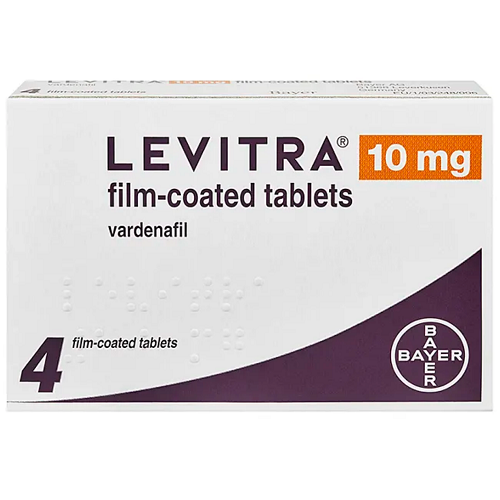
Can you get Levitra without a prescription in the United States?
No, Levitra (active ingredient: vardenafil) is classified as a prescription medication in the United States. By federal law, you must have a valid prescription from a licensed healthcare provider to obtain Levitra at any pharmacy or through legitimate telehealth services in the U.S.
Key Takeaways: What You Should Know Before Considering Levitra
- Levitra is prescribed for erectile dysfunction (ED) and is most suitable for adult men unable to achieve or maintain an erection sufficient for satisfactory sexual performance.
- A prescription is required in the United States; legitimate pharmacies will not dispense Levitra without one.
- Levitra generally starts working within 30-60 minutes and requires sexual stimulation to be effective.
- Do not take Levitra with nitrates or certain heart medications—this can cause dangerous drops in blood pressure.
- Consult a doctor for ongoing or severe side effects, and never exceed the recommended dose.
- Always purchase Levitra from a U.S.-licensed pharmacy to avoid counterfeit or unsafe products.
How does Levitra work in the body? Understanding its mechanism of action
Levitra contains vardenafil, a selective inhibitor of the enzyme phosphodiesterase type 5 (PDE-5). In men with erectile dysfunction, the normal physiological response to sexual stimulation involves the release of nitric oxide in the corpus cavernosum (erectile tissue) of the penis. This triggers the enzyme guanylate cyclase, which increases levels of cyclic guanosine monophosphate (cGMP). Elevated cGMP causes smooth muscle relaxation in the penile arteries, allowing increased blood flow and resulting in an erection.
PDE-5 breaks down cGMP, ending the erection. By inhibiting PDE-5, Levitra prolongs and enhances the effects of cGMP, supporting erectile function in response to sexual stimulation. Importantly, vardenafil does not cause an erection without sexual arousal—sexual stimulation is still required to initiate the process.
Visual metaphor: Imagine cGMP as the gas pedal for erection. PDE-5 acts like a brake. Levitra temporarily eases the brake, letting the pedal work longer when the driver (sexual stimulation) presses down.
Patient Expectations vs. Real-World Outcomes: A Clinician’s Perspective
As a physician, I often see patients expect Levitra to work instantly or to create an unprompted erection. In reality, the medication only works in the presence of sexual arousal—it doesn’t cause an erection on its own. Another frequent misconception is that a higher dose will always yield better results, which isn’t supported by evidence and can increase side effects. Patients rarely ask about the timing of meals or interactions with other medications, yet these can significantly influence effectiveness. Finally, many overlook the psychological and relationship aspects contributing to ED, focusing solely on the medication. I encourage open conversation about expectations and any concerns before starting therapy, as addressing underlying issues often improves outcomes beyond what medication alone achieves.
What is the recommended dosage and how should you take Levitra?
The usual starting dose of Levitra for adults is 10 mg, taken about 60 minutes before sexual activity. It may be taken with or without food, but high-fat meals can delay absorption and reduce effectiveness (see specific interactions below). Your doctor may adjust the dose up to a maximum of 20 mg or down to 5 mg, depending on your response and tolerance. The maximum recommended dosing frequency is once per day; do not take more than one tablet within a 24-hour period.
For men over 65, or those with mild to moderate liver impairment, a lower starting dose (5 mg) is usually advised. Levitra tablets are not designed to be split or crushed—swallow whole with water. Always follow your prescriber’s instructions, as individual needs vary.
How do food, alcohol, and lifestyle affect Levitra’s performance?
Food: Levitra may be taken with or without food. However, fatty meals can delay the onset of action by up to an hour and may slightly decrease peak blood levels. For best results, avoid heavy or high-fat meals close to dosing.
Alcohol: Moderate alcohol consumption (1-2 standard drinks) does not seem to cause major problems, but excessive alcohol intake can increase the risk of side effects, impair sexual performance, and intensify dizziness or drops in blood pressure.
Grapefruit and grapefruit juice: Grapefruit can interfere with the liver enzymes that metabolize vardenafil, potentially raising drug levels and increasing risk of side effects. It’s best to avoid grapefruit products while taking Levitra.
Other lifestyle factors: Smoking, obesity, and sedentary lifestyle may independently worsen ED and reduce treatment response. Addressing these can improve outcomes.
| Product Type | Can It Be Combined? | Consequences |
|---|---|---|
| Fatty Meals | Yes, but not ideal | Delays effect by up to 1 hour |
| Alcohol (moderate) | Yes, with caution | May increase side effects |
| Grapefruit Juice | No | Raises drug levels, increases risks |
| Nitrates | Strictly NO | Life-threatening drop in blood pressure |
| Alpha-blockers | Only under doctor supervision | Potential for low blood pressure |
Who should not take Levitra? Detailed contraindications and red flags
Absolute contraindications (never use):
- Use of any nitrate medications (for chest pain or heart disease), including nitroglycerin, isosorbide dinitrate, or recreational “poppers.” Combined use can cause life-threatening drops in blood pressure.
- Severe cardiovascular disorders, such as recent heart attack (within the last 6 months), severe heart failure, or unstable angina.
- Severe liver impairment.
- End-stage renal disease requiring dialysis.
- Known allergy to vardenafil or any component of Levitra.
- Hereditary degenerative eye disorders (such as retinitis pigmentosa).
- Mild to moderate liver or kidney impairment (dose adjustments may be required).
- Uncontrolled high or low blood pressure.
- History of stroke in the past 6 months.
- Significant anatomical deformation of the penis (e.g., Peyronie’s disease).
- Conditions associated with increased risk of priapism (e.g., sickle cell anemia, multiple myeloma, leukemia).
- Concurrent use of certain CYP3A4 inhibitors (e.g., ketoconazole, ritonavir) — consult your doctor for specific guidance.
After a heart attack or stroke: Use of Levitra is generally not recommended within 6 months of these events, but decisions should be individualized by your cardiologist or urologist.
What side effects are most common with Levitra? Understanding the risks
Side effects of Levitra are generally dose-dependent and more likely at higher doses. According to clinical studies and post-marketing data, the following frequencies have been observed:
- Very common (>10%): Headache, flushing.
- Common (1–10%): Nasal congestion, indigestion, dizziness, back pain, nausea, sinusitis, flu-like symptoms.
- Uncommon (0.1–1%): Increased heart rate, vision changes (blue/blurred vision), increased blood pressure, facial swelling.
- Rare (<0.1%): Priapism (prolonged, painful erection lasting more than 4 hours), sudden vision or hearing loss, allergic reactions (rash, swelling of lips/tongue/throat).
- Very rare (<0.01%): Heart rhythm disturbances, seizures.
Why do these occur? Headache and flushing are related to vasodilation (widening of blood vessels), while nasal congestion and dizziness stem from similar mechanisms. Priapism and sudden vision loss are rare but serious, thought to be related to excessive or hypersensitive vascular responses.
What should you do if side effects occur?
- If you experience mild side effects, report them to your prescribing physician at your next visit. Often, a dose adjustment helps.
- If you have an erection lasting longer than 4 hours, seek emergency medical care immediately—priapism can cause permanent damage.
- If you notice sudden vision or hearing loss, discontinue the drug and seek urgent medical attention.
- For signs of severe allergic reaction (difficulty breathing, swelling of face/lips/tongue/throat), call 911 or your local emergency number right away.
The most common mistakes patients make with Levitra—and how to avoid them
Even with careful medical guidance, certain patterns often lead to reduced effectiveness or increased risk:
- Taking Levitra without sexual stimulation: The drug requires arousal to work. Using it without intent to engage in sexual activity often leads users to believe it “doesn’t work.”
- Exceeding the recommended dose: More is not better. Higher doses increase adverse effects without improving efficacy, and can be dangerous.
- Taking with a heavy or fatty meal: Fatty foods can delay absorption and reduce effectiveness. For optimal results, take on an empty stomach or after a light meal.
- Combining with nitrates or unapproved medications: This can cause severe, life-threatening interactions. Always inform your doctor of all medications and supplements you take.
- Using with excessive alcohol: High alcohol intake can worsen side effects and diminish the drug’s effect on erectile function.
- Stopping after one unsuccessful attempt: Some men may need to try Levitra a few times, possibly with dose adjustments, before achieving the best results. Do not discontinue without discussing with your doctor.
- Purchasing from unverified sources: Counterfeit or substandard products are prevalent online. Always use a U.S.-licensed pharmacy.
How does Levitra compare to other erectile dysfunction medications in the U.S.?
Levitra is one of several prescription oral therapies for ED. Here’s a side-by-side comparison with its main FDA-approved competitors:
| Medication | Active Ingredient | Onset (approx.) | Duration | Standard Dose | Common Side Effects | Estimated Price per Tablet (USD, 2026) |
|---|---|---|---|---|---|---|
| Levitra | Vardenafil | 30–60 min | 4–6 hrs | 10 mg | Headache, flushing, nasal congestion | $20–$35 (brand); $4–$12 (generic) |
| Viagra | Sildenafil | 30–60 min | 4–6 hrs | 50 mg | Headache, flushing, vision changes | $25–$40 (brand); $3–$10 (generic) |
| Cialis | Tadalafil | 30–45 min | Up to 36 hrs | 10 mg (as needed), 2.5-5 mg (daily) | Headache, indigestion, back pain | $25–$40 (brand); $4–$12 (generic) |
Bottom line: Levitra’s main clinical advantage is reliable onset and lower likelihood of visual disturbances compared to sildenafil. Cialis offers the longest duration, which some men prefer for spontaneity. Price varies widely depending on insurance, brand vs. generic, and pharmacy. All require a prescription.
What are the technical characteristics of Levitra?
| Parameter | Value |
|---|---|
| Active Ingredient | Vardenafil hydrochloride |
| Available Strengths | 2.5 mg, 5 mg, 10 mg, 20 mg (film-coated tablets) |
| Formulation | Oral tablet (film-coated), orally disintegrating tablet (Staxyn generic) |
| Usual Adult Dose | 10 mg, adjusted 5–20 mg |
| Time to Peak Plasma | ~0.7–1.0 hours |
| Elimination Half-life (T½) | ~4–5 hours |
| Storage | Room temperature (68–77°F or 20–25°C) |
What is the pharmacokinetic profile of Levitra?
After oral administration, vardenafil is rapidly absorbed, reaching peak plasma concentrations in about 0.7 to 1 hour. Bioavailability is around 15%. The drug is metabolized primarily in the liver by cytochrome P450 isoenzyme CYP3A4, with minor contributions from CYP3A5 and CYP2C (see FDA). Its elimination half-life is approximately 4–5 hours. Excretion is mostly through the feces (about 91%), with some renal elimination (about 2%).
Implications: Liver or kidney impairment can significantly alter drug levels and increase risk of side effects, which is why dose adjustments or avoidance may be recommended for these populations.
Is Levitra safe for patients with chronic illnesses or special circumstances?
Liver or kidney impairment: Use with caution. Lower starting doses and more careful monitoring are advised. Severe liver dysfunction is a contraindication; severe kidney impairment may require avoidance.
Cardiovascular disease: Levitra is not recommended for men with severe cardiovascular conditions, recent heart attack, or recent stroke. Clearance from your cardiologist is essential.
Driving and machinery: Some men experience dizziness or visual disturbances. Do not drive or operate heavy machinery until you know how Levitra affects you.
Fertility and family planning: Current evidence does not suggest Levitra adversely affects fertility or sperm parameters in men. However, if planning a family, discuss all medications with your doctor.
Levitra generics vs. brand: What’s the difference and how do you choose?
Generics: Since the original Levitra patent expired, FDA-approved generics containing vardenafil are widely available in the United States. Generics work the same way, providing equivalent efficacy and safety profiles when manufactured by licensed pharmaceutical companies. Generics typically cost significantly less than the brand product.
Excipients (inactive ingredients): While the active drug is the same, the fillers, binders, or coloring agents may differ in generics. Rarely, these may cause allergic reactions in sensitive individuals. If you experience a reaction, discuss with your doctor or pharmacist.
Advantages of generics: Cost savings and equivalent results for most men. Only buy generics from licensed U.S. pharmacies to avoid fake or substandard medications.
How to identify real Levitra and avoid counterfeits in the U.S.?
Authentic Levitra tablets:
- Round, orange film-coated tablet with a “BAYER” cross on one side and dose strength (e.g., “10” or “20”) on the other.
- Blister packaging with clear labeling (manufacturer, batch/lot number, expiration date).
- U.S. packaging may include a QR code, hologram, or scannable security feature for verification.
- Unusually low price, lack of prescription requirement, or unbranded packaging.
- Pills that are discolored, crumbling, or lack standard markings.
- No batch number, expiration date, or manufacturer information.
If in doubt, ask your pharmacist to verify authenticity. Never use products purchased from unverified sources.
How to safely obtain Levitra in the USA: Step-by-step guide
- Step 1: Schedule a consultation. Make an appointment with your primary care doctor, urologist, or a certified telehealth provider. In cities like New York, Los Angeles, or Chicago, both in-person and telemedicine options are widely available.
- Step 2: Receive a medical evaluation. Your provider will assess your symptoms, review your health history, and determine if Levitra or another ED therapy is appropriate.
- Step 3: Obtain your prescription. If approved, your provider will send an electronic prescription to your chosen pharmacy or an online pharmacy licensed in your state.
- Step 4: Fill your prescription at a licensed pharmacy. Provide identification if required. Pharmacies must verify prescriptions and dispense the correct medication.
- Step 5: Follow your provider’s instructions. Review usage guidelines, side effects, and follow-up plan. Report any issues or adverse effects promptly.
How can you verify a legitimate online pharmacy in the United States?
To protect yourself from unsafe, counterfeit, or illegal products, only use online pharmacies that meet the following criteria:
- Require a valid prescription from a licensed U.S. healthcare provider.
- Are licensed by the state board of pharmacy in the state where they are located.
- Display the VIPPS (Verified Internet Pharmacy Practice Sites) seal or the “.pharmacy” accreditation from the National Association of Boards of Pharmacy.
- Provide clear contact information (U.S. address, phone number, and licensed pharmacist available for questions).
- Do not advertise or ship prescription drugs without a prescription.
What should you do if you take too much Levitra? Overdose response algorithm
- Stop taking the medication immediately.
- Call emergency services (911) or your local poison control center (1-800-222-1222) in the United States.
- Clearly inform medical professionals of the dose and time of ingestion.
- Do not attempt to induce vomiting unless instructed by medical personnel.
- Bring the medication packaging to the hospital if possible.
Symptoms of overdose may include severe back or muscle pain, vision changes, prolonged erection, severe blood pressure changes, or collapse. Prompt treatment minimizes risks.
Psychological support: You’re not alone, and treatment is available
Erectile dysfunction is a common and often manageable condition. Many men experience it at some point in their lives, and it can have both physical and psychological causes. It’s important to know that seeking help is a sign of strength, not weakness. Discussing ED openly with your partner and consulting a qualified healthcare provider can significantly improve quality of life and relationships.
Myth vs. Reality: Common Misconceptions About Levitra
- Myth: Levitra works instantly, even without arousal.
Reality: Sexual stimulation is required for it to work. - Myth: Higher doses guarantee better results.
Reality: Exceeding recommended doses increases risks without improving effectiveness. - Myth: All ED medications are the same.
Reality: Each has unique onset, duration, side effect profiles, and drug interactions.
Questions Patients Often Ask doctor: Clinical Insights on Levitra
- How do I know if Levitra is working for me?
- If you’re able to achieve and maintain an erection sufficient for sexual activity within the expected time frame (usually 30–60 minutes after taking Levitra), the medication is likely effective. Some patients may need to try it a few times or adjust timing/dose to see optimal results.
- What should I do if I don’t get the desired effect the first time?
- It’s not uncommon for the first dose to yield less than expected results. Factors like meal timing, anxiety, or insufficient sexual stimulation can affect the outcome. Try the medication on 2–3 separate occasions, and if you’re still unsatisfied, consult your provider for possible adjustments.
- Are there signs that Levitra is not safe for me?
- If you experience chest pain, fainting, a prolonged erection (over 4 hours), sudden vision or hearing loss, or signs of an allergic reaction, stop the medication and seek immediate medical attention. Always review your full medical history with your doctor before starting therapy.
- Will I develop dependence on Levitra?
- Vardenafil is not physically addictive and does not cause withdrawal symptoms, but some men may grow psychologically reliant on it. For most, medical and psychological support can help address underlying causes and reduce reliance over time.
- Do I need to see my doctor regularly while taking Levitra?
- Yes, periodic follow-up is important to monitor effectiveness, adjust dosing if needed, and check for side effects or changes in your overall health.
- Can I switch to another ED medication if Levitra isn’t right for me?
- Absolutely. If Levitra does not work well or causes side effects, other options like sildenafil, tadalafil, or non-drug therapies can be discussed with your provider.
Frequently Asked Questions About Levitra in the United States
How quickly does Levitra start working?
Levitra typically starts to work within 30 to 60 minutes after oral administration. Peak blood levels occur in about 1 hour. Sexual stimulation is required for the medicine to be effective.
How long does the effect of Levitra last?
The effects of Levitra usually last 4 to 6 hours after taking a dose, though individual response may vary.
Is Levitra covered by insurance in the United States?
Some employer-sponsored or private insurance plans may cover Levitra or its generic equivalents for erectile dysfunction, but coverage is variable. Medicare Part D and most Medicaid plans do not typically cover ED medications for this indication. Check with your insurance provider regarding your plan’s policies.
What is the price of Levitra and its generics in the U.S.?
The price for brand-name Levitra ranges from $20 to $35 per tablet, while FDA-approved generics usually cost from $4 to $12 per tablet, depending on pharmacy and location as of 2026.
Can I get Levitra delivered to my home?
Yes, many U.S.-licensed pharmacies and telehealth providers offer home delivery, but a valid prescription is always required. Avoid overseas sellers or websites that do not verify prescriptions.
Are there any foods or drinks I should avoid while taking Levitra?
Avoid grapefruit and grapefruit juice, as these can increase the risk of side effects. High-fat meals may delay the onset of action. Moderate alcohol is generally safe but can increase side effects if consumed in excess.
Can Levitra interact with other medications?
Yes, especially nitrates, alpha-blockers, and certain antifungals or HIV medications. Always inform your healthcare provider of all medications and supplements you use.
How do I report a side effect from Levitra?
You can report side effects to your healthcare provider and directly to the FDA’s MedWatch program (FDA MedWatch).
What should I do if I miss a dose?
Levitra is taken as needed before sexual activity, not on a regular schedule. If you forget to take it, simply take the next dose as needed—never double up or take extra doses.
Are there alternatives if Levitra is not suitable for me?
Yes, alternative options include other PDE-5 inhibitors (such as sildenafil or tadalafil), vacuum erection devices, penile injections, or counseling for psychological causes. Your provider will help you choose what’s best for your situation.
Clinical Assessment by doctor: Who benefits most from Levitra, and when should alternatives be considered?
In my clinical practice, Levitra is best suited for adult men with moderate to severe erectile dysfunction who have not responded satisfactorily to lifestyle changes or psychological interventions alone. It is particularly useful for patients who desire a predictable onset and a 4–6 hour window of activity, giving some flexibility but without the extended duration of tadalafil. However, men with significant cardiovascular disease, those on nitrates, or with severe hepatic impairment are not appropriate candidates. I am cautious with patients who have anatomical penile deformities or conditions predisposing to priapism, and always review for potential drug interactions before prescribing. For those experiencing side effects or inadequate response, a change in dose, alternative PDE-5 inhibitor, or a switch to non-pharmacologic therapies may be warranted. Ongoing assessment is essential, as underlying comorbidities or new medications can influence both safety and efficacy over time.
References
- Bayer HealthCare Pharmaceuticals. Levitra (vardenafil) [prescribing information]. Revised 2025. Available at: https://www.bayer.us/
- U.S. Food and Drug Administration (FDA). Drug Database. Vardenafil. Accessed June 2026. https://www.fda.gov/
- Mayo Clinic. Vardenafil (Oral Route). Patient Information. Accessed June 2026. Mayo Clinic
- National Institutes of Health. PubMed. Recent studies on vardenafil efficacy and safety. Accessed June 2026. https://pubmed.ncbi.nlm.nih.gov/
- American Urological Association. Clinical Practice Guidelines on Erectile Dysfunction. Revised 2025. https://www.auanet.org/
- National Association of Boards of Pharmacy (NABP). Online Pharmacy Verification. Accessed June 2026. https://nabp.pharmacy/