
- Home/
- Buy Zithromax Online in the United States – Fast US Delivery
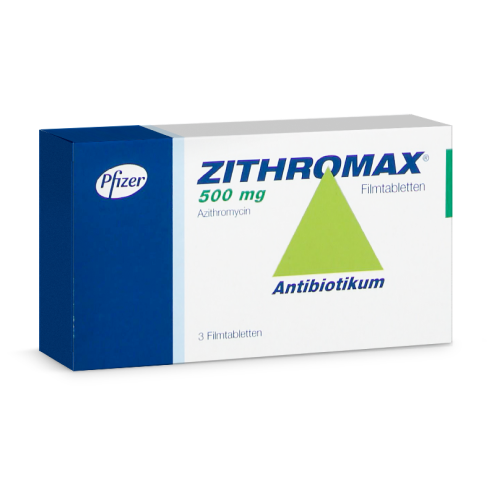
Zithromax is a prescription antibiotic used in the United States to treat a range of bacterial infections, from respiratory tract illnesses to sexually transmitted infections. Its active ingredient, azithromycin, is valued for its short, convenient dosing and reliable track record—but patients should know up front that not all infections can—or should—be treated with Zithromax. Understanding when it’s the right choice makes all the difference.
The Zithromax Moment: Why This Antibiotic Gets Prescribed More Than You Think
Think back to your last urgent care visit for a stubborn cough that wouldn’t quit. Or maybe your child’s pediatrician scribbled a prescription for something “strong but easy” after a diagnosis of strep throat. If you’ve ever walked away with a short, punchy course of tablets or a single-dose packet, there’s a good chance you were handed Zithromax—or, as your pharmacist called it, azithromycin.
In American medicine, Zithromax isn’t just another antibiotic. It’s a go-to for busy clinics, a household name on pharmacy shelves, and a drug with a reputation for both convenience and controversy. The five-day “Z-Pak” has been mythologized as a cure-all in some circles and criticized for overuse in others.
Clinical Insight: Zithromax stands out because it offers rapid, convenient dosing and a broad spectrum of coverage—but it’s not a magic bullet for every infection. Knowing when it’s truly appropriate (and when it’s not) is what separates good outcomes from unnecessary risks.
Here’s the real story behind the popularity of Zithromax, and what you should know before following the crowd.
Azithromycin in Action: What Sets Zithromax Apart in the Clinic
Convenience is king—but it’s not the whole story. Zithromax’s active ingredient, azithromycin, takes a different path from older antibiotics like penicillin or amoxicillin. Its long half-life means it keeps working in your tissues well after the last pill, allowing for shorter, simpler courses. But that very feature—what doctors call “tissue penetration”—also shapes which infections it can actually cure.
- Works best for: Respiratory tract infections (like bronchitis and some pneumonia), certain ear and sinus infections, chlamydia, and a handful of other bacterial diseases.
- Not a cure-all: Zithromax does not treat most viral infections, strep throat in young children (as well as penicillin can), or tough hospital-acquired bacteria.
- Why doctors reach for it: When adherence is a concern (teenagers, busy adults, unpredictable schedules), or when a patient has allergies to penicillins or cephalosporins.
But the ease of a Z-Pak comes with a clinical catch: overuse breeds antibiotic resistance. That’s why guidelines now urge restraint, especially for routine coughs or colds.
- Antibiotic Stewardship
- Using the right drug for the right bug, at the right time, to reduce unnecessary resistance and preserve future treatment options.
So when your doctor suggests Zithromax, it’s a deliberate choice—not just the easy way out.
Zithromax vs. The Competition: A Real-World Comparison Table
| Attribute | Zithromax (Azithromycin) | Amoxicillin | Doxycycline |
|---|---|---|---|
| Common Uses | Respiratory infections, STIs (chlamydia), some skin/soft tissue infections | Strep throat, ear/sinus infections, dental infections, some respiratory | Lyme disease, acne, atypical pneumonias, tick-borne illnesses, some STIs |
| Duration (Typical) | 3–5 days (shortest) | 7–10 days | 7–14 days |
| Ease of Use | Once daily, often a single dose for STIs (very convenient) | 2–3 times daily | 1–2 times daily (food interactions) |
| Common Side Effects | Stomach upset, diarrhea, taste changes | Rash, upset stomach, allergic reactions | Photosensitivity, GI upset, esophageal irritation |
| Contraindications | Severe liver disease, certain heart arrhythmias | Penicillin allergy | Pregnancy, kids under 8 (tooth discoloration) |
| Brand/Generic Availability | Available as brand (Zithromax) and generic | Mostly generic | Mostly generic |
| Prescription Status (US) | Prescription only | Prescription only | Prescription only |
| Typical Cost (with insurance) | $5–$30 (generic copay range) | $4–$12 (often on discount lists) | $6–$15 (generic copay range) |
Zithromax wins on convenience and tissue penetration, making it ideal for busy schedules and some hard-to-reach infections. Amoxicillin remains first-line for classic bacterial infections where resistance isn’t a concern. Doxycycline is a mainstay for tick-borne illness or when atypical bacteria are likely—but has unique side effects, especially with sun exposure. Insurance coverage for all three is typically good, but Zithromax’s brand and single-dose packs may cost more out of pocket. Knowing when to pick which antibiotic is the art of medicine—not just science.
How Zithromax Works—And What That Means for Your Daily Life
The science behind Zithromax is straightforward: azithromycin stops bacteria from building the proteins they need to grow and multiply. What’s less obvious is how this chemical trick changes your day-to-day experience on treatment.
Because azithromycin hangs around in your tissues longer than many antibiotics, you’ll often finish your pills in three to five days—while the drug keeps fighting infection for days afterward. This means fewer missed doses, less chance of forgetting, and a lower risk of incomplete treatment (which can drive resistance).
Over 60% of Zithromax prescriptions in the US are written as a five-day “Z-Pak,” according to recent pharmacy dispensing data (FDA).
But that convenience comes with a caveat: if you stop early or “save” extra pills for next time, the whole balance of benefit and risk shifts. The drug’s lingering effect doesn’t mean you can skip doses or self-medicate for future colds.
Getting Zithromax in the United States: Access, Cost, and What to Expect
In the U.S., Zithromax is strictly prescription-only. You can’t pick it up over the counter—or legally order it from foreign pharmacies online. All legitimate U.S. pharmacies, including major chains and independent stores, stock generic azithromycin alongside the Zithromax brand. Insurance almost always covers the generic, but brand-name packs may require a higher copay or prior authorization.
- Access Pathways: Primary care, urgent care, telemedicine, and some specialist clinics prescribe Zithromax. Pharmacists may substitute generic unless otherwise indicated.
- Typical Cost: Generic azithromycin can be as little as $5–$15 for a standard course with insurance. Out-of-pocket prices for the brand or single-dose packets may run $30–$60 or more.
- Refills & Restrictions: Antibiotics like Zithromax are rarely authorized for refills—each infection requires a new evaluation and prescription.
Don’t be surprised if your pharmacy swaps in the generic or if your plan requires prior approval for certain infections. That’s a safeguard, not a denial of care.
Right Patient, Right Infection: When Zithromax Delivers—and When It Doesn’t
Not every sore throat, cough, or fever is a ticket to a Zithromax prescription. In fact, American guidelines have become much stricter about when azithromycin is actually the best choice. Doctors now weigh antibiotic resistance, infection type, patient allergies, and even your cardiac history before reaching for a Z-Pak.
- Best fits: Bacterial infections proven or strongly suspected to be sensitive to azithromycin. This includes Mycoplasma (“walking pneumonia”), chlamydia, and some respiratory or ear infections—especially in patients with penicillin allergy.
- Where it falls short: Classic strep throat (group A strep), most sinus infections, urinary tract infections, and infections with known resistant bacteria. For these, other antibiotics are usually preferred.
- Patient factors: Those with a history of heart rhythm disorders, or who take certain medications (like anti-arrhythmics), may be at higher risk of Zithromax’s rare but serious cardiac side effects.
doctor: “In practice, I reach for Zithromax when I’m confident bacterial infection is likely, and the patient either can’t take first-line medications or I need a solution that guarantees adherence. But it’s not my default for every cough or sore throat—antibiotic stewardship means using Zithromax judiciously to make sure it still works when it’s truly needed.”
Patients sometimes expect (or even request) a Z-Pak for viral colds or non-bacterial illnesses. That’s a misconception—using azithromycin where it can’t help only adds to resistance and exposes you to side effects without benefit.
Zithromax Timing: The Dosage Schedules That Matter Most
The classic “Z-Pak” is a five-day course, but azithromycin dosing isn’t one-size-fits-all. The right schedule depends on your age, infection type, and sometimes even your weight or kidney and liver function.
| Indication | Day 1 | Days 2–5 | Total Duration | Special Notes |
|---|---|---|---|---|
| Community-acquired pneumonia | 500 mg once | 250 mg once daily | 5 days | May be used with other antibiotics if severe |
| Bacterial sinusitis (select cases) | 500 mg once | 250 mg once daily | 5 days | Not first-line in most guidelines |
| Chlamydia (STI) | 1,000 mg as a single dose | — | 1 day | Single-dose efficacy is high |
| Skin/soft tissue infections | 500 mg once | 250 mg once daily | 5 days | Check for MRSA risk |
| Pediatric dosing | Weight-based. Your pediatrician will calculate the exact dose. Do not substitute adult dosages. | |||
Dosing may be adjusted for kidney or liver impairment, and for elderly patients with additional risk factors. Always follow your prescriber’s instructions—even if a friend’s Z-Pak “worked for them.” And never split doses or skip pills to “save some for next time.”
Which Side Effects Matter Most with Zithromax—And When to Act
Most people finish a course of Zithromax with nothing more than mild stomach upset or a metallic taste. But a small number experience side effects that deserve attention—and a rare few should trigger an immediate call to your doctor or local emergency department.
- Common (but usually minor): Diarrhea, nausea, abdominal pain, headache, changes in taste.
- Occasional (may require doctor review): Skin rash, new or severe fatigue, mild palpitations, or persistent vomiting.
- Rare but serious (stop and seek care): Severe allergic reactions (swelling of lips/tongue/throat, difficulty breathing), yellowing skin or eyes (liver injury), severe persistent diarrhea (possible C. difficile infection), chest pain, or abnormal heart rhythms.
| Side Effect | How Common? | When to Contact Doctor |
|---|---|---|
| Upset stomach, mild diarrhea | 10–15% | If persistent or worsening |
| Rash or itching | 1–2% | If widespread, blistering, or accompanied by fever |
| Severe allergic reaction | Rare (<0.1%) | Immediately—call 911 or seek emergency care |
| Heart rhythm changes (QT prolongation) | Very rare (<0.1%) | If fainting, severe dizziness, irregular heartbeat |
| Liver injury (yellow skin/eyes) | Rare (<0.1%) | If new jaundice or dark urine develops |
| Severe diarrhea (C. difficile) | Rare (<0.5%) | If diarrhea is severe, persistent, or bloody |
- QT Prolongation
- A change in the heart’s electrical rhythm, sometimes triggered by azithromycin and other medications. Rare, but can be serious—especially in those with pre-existing heart conditions or on certain other drugs.
When Not to Take Zithromax: Absolute and Relative Contraindications
- Known allergy or hypersensitivity to azithromycin or other macrolide antibiotics.
- History of severe liver damage caused by azithromycin.
- Severe liver impairment (current).
Relative contraindications require careful consideration—sometimes Zithromax can still be used, but only after a full risk-benefit discussion with your doctor.
- Existing heart rhythm disorders (especially prolonged QT interval): Azithromycin can, in rare cases, worsen these conditions or interact with other medications that affect heart rhythm.
- Concurrent use of drugs known to prolong QT interval: Including certain antiarrhythmics, antipsychotics, and some antidepressants.
- Severe kidney impairment: Dose adjustment may be required, or an alternative antibiotic may be safer.
- Pregnancy and breastfeeding: Usually considered safe, but always discuss with your provider, as alternatives may be preferred in certain cases.
In the U.S., Zithromax is generally not used as first-line therapy in patients with known cardiac risk, those with prior drug-induced jaundice, or those taking certain medications without a doctor’s review. Never start or stop Zithromax without a licensed prescriber’s guidance.
The Most Searched Questions About Zithromax in the United States—Answered
- Can Zithromax treat COVID-19 or viral infections?
- No. Zithromax (azithromycin) is effective only against bacterial infections, not viruses. Early in the COVID-19 pandemic, there was speculation about its use, but large studies showed no benefit for viral infections. Using antibiotics for viral illnesses increases resistance risk without helping symptoms.
- Is it safe to drink alcohol while taking Zithromax?
- For most people, moderate alcohol use does not directly interact with Zithromax. However, alcohol can worsen stomach upset and impair your immune system’s ability to fight infection. It’s best to avoid or limit alcohol until your infection has cleared.
- How quickly does Zithromax start working?
- Clinical improvement is often seen within 24–48 hours for many bacterial infections. However, finishing the full prescribed course is essential—even if you feel better—so the infection doesn’t return or become resistant.
- Should I take Zithromax with food?
- Zithromax can be taken with or without food, but taking it with a light meal may reduce the risk of stomach upset. Follow your doctor’s instructions, especially for liquid forms or single-dose therapies.
- What if I miss a dose of Zithromax?
- Take the missed dose as soon as you remember, unless it’s almost time for your next scheduled dose. Never double up. If you’re unsure, contact your pharmacist or doctor for guidance.
- Is Zithromax safe for children?
- Yes, when prescribed and dosed appropriately by a pediatrician. Pediatric dosing is weight-based and may differ from adult regimens. Never use leftover adult Zithromax for a child.
- Will Zithromax interact with my other medications?
- Zithromax can interact with medications that affect heart rhythm, certain blood thinners, and some antacids. Always provide your full medication list to your prescriber and pharmacist to check for specific interactions.
- How do I know if Zithromax is working?
- Improvement in symptoms (less fever, reduced pain, or less drainage) after 1–2 days is a good sign. If your symptoms persist or worsen, or if you develop severe side effects, contact your physician for reassessment.
References
- U.S. Food and Drug Administration (FDA)
- CDC: Antibiotic Use in the United States
- Mayo Clinic: Azithromycin (Oral Route)
- American Thoracic Society: Community-Acquired Pneumonia Guidelines, 2019
- Infectious Diseases Society of America (IDSA): Clinical Practice Guidelines for Antibiotic Use
- Pfizer: Zithromax Product Information
- PubMed (for clinical trials and systematic reviews)