
- Home/
- Buy Doxycycline Without Prescription in the United States Online
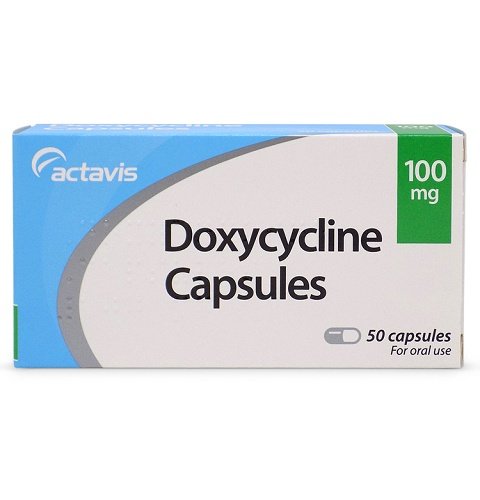
| Medication Name | Doxycycline |
|---|---|
| Main Compound | Doxycycline hyclate or monohydrate |
| What it treats | Bacterial infections (broad-spectrum antibiotic) |
| Strength Options | 50 mg, 75 mg, 100 mg capsules or tablets; oral suspension |
| When you’ll feel effects | Improvement may begin within 24–48 hours after starting |
| How long it works | Active in the body for up to 24 hours per dose |
| How to use | Once or twice daily as prescribed; duration varies by infection |
| Prescription status | Prescription required in the United States |
| Estimated price range | Approximately $10–$50 for a typical course |
Doxycycline for bacterial infections: what to know before buying in the United States
Doxycycline is a prescription antibiotic widely used to treat a variety of bacterial infections, including respiratory, skin, and sexually transmitted diseases. In the United States, it is a legal and regulated medication, available only with a doctor’s prescription. Understanding how and when to use Doxycycline helps ensure effective treatment and reduces the risk of resistance or complications.
How common—and manageable—are bacterial infections in the United States?
Bacterial infections are a frequent health challenge, affecting millions of Americans every year. According to the Centers for Disease Control and Prevention (CDC), in 2022 there were over 2.8 million antibiotic-resistant infections in the U.S. alone, with many more cases of non-resistant but significant bacterial illnesses. These range from common conditions like sinusitis and bronchitis to more serious infections such as Lyme disease and chlamydia. The key takeaway: you are far from alone, and most bacterial infections are both diagnosable and treatable with the right antibiotic regimen. Early intervention and appropriate medication selection are essential for rapid recovery and prevention of complications.
How Doxycycline works to clear bacterial infections
Doxycycline is part of the tetracycline family, a group of antibiotics that stop bacteria from multiplying. It works by blocking the ability of bacteria to produce proteins they need to survive and spread. As a result, the infection is contained and gradually eliminated by your body’s immune system.
- Physiological mechanism: Doxycycline enters bacterial cells and binds to their ribosomes (the machinery for protein production). By doing this, it halts the assembly of new proteins critical for bacterial growth.
- Consequence for the patient: Symptoms such as fever, pain, or discharge begin to subside—often within 1–2 days of starting treatment. However, full eradication of the infection usually requires completing the entire prescribed course, even if you feel better quickly.
This targeted approach is why Doxycycline is effective for a range of infections, including respiratory tract infections, certain sexually transmitted infections, tick-borne illnesses like Lyme disease, and acne-related skin problems.
Is Doxycycline right for you? Life scenarios and selection criteria
| Situation | Recommended Option | Why this choice? |
|---|---|---|
| You have been diagnosed with a bacterial respiratory infection (e.g., atypical pneumonia or bronchitis) and have no known allergies to tetracyclines. | Doxycycline | Because it covers a wide spectrum of respiratory pathogens and is well-tolerated for these conditions. |
| You are being treated for Lyme disease or another tick-borne infection in the early stage. | Doxycycline | This antibiotic is recommended as first-line therapy by the CDC for adults and children over 8 years old. |
| You are pregnant or breastfeeding, or the patient is a child under 8 years old. | Alternative antibiotic | Doxycycline is generally not recommended in these cases because it can affect bone and tooth development in young children and unborn babies. |
| You have a history of severe liver or kidney impairment. | Consult a doctor for tailored therapy | Because Doxycycline is processed by the liver, dose adjustment or an alternative may be needed. |
| The infection is known or strongly suspected to be viral (e.g., flu, COVID-19), not bacterial. | Do not use Doxycycline | Antibiotics do not treat viral infections; using them unnecessarily increases resistance risk. |
These scenarios help clarify when Doxycycline is an excellent choice—and when a different approach is safer or more effective. If you’re uncertain about your diagnosis or medical history, consult your healthcare provider before starting any antibiotic.
How to use Doxycycline in everyday life: timing, food, and what to do if things don’t go as planned
Doxycycline is typically taken once or twice daily, with the exact schedule depending on the infection. It should be swallowed with a full glass of water to reduce the risk of stomach irritation or esophageal discomfort. It is best to sit upright for at least 30 minutes after taking a dose to further minimize this risk. Food compatibility varies: some people tolerate it better with a light meal or snack, especially if they experience nausea, but absorption may decrease slightly with dairy products due to calcium binding. If a dose is missed, take it as soon as you remember—unless it’s almost time for the next dose, in which case skip the missed one and resume your schedule. Never double up doses.
- If symptoms improve quickly: Do not stop the medication early. Completing the full course is necessary to prevent relapse and resistance.
- If your symptoms do not improve within 2–3 days: Contact your prescriber—another antibiotic or further evaluation may be needed.
- If you experience mild side effects like stomach upset: Taking Doxycycline with food (but not dairy) can help; however, persistent or severe issues should be reported.
- Travel and sun exposure: Doxycycline can increase sun sensitivity. Use sun protection and avoid prolonged direct sunlight.
If you are unsure about a missed dose, food interaction, or new symptom, reaching out to your doctor or pharmacist is always advisable. Proper handling of these situations enhances both the safety and the effectiveness of your treatment.
Is Doxycycline safe for you? Exclusions, reactions, and drug compatibility
Who should not take Doxycycline—and why
- Pregnant women (especially after the first trimester): Doxycycline can cross the placenta and may affect fetal bone and tooth development, increasing the risk of permanent tooth discoloration and skeletal retardation.
- Children under 8 years old: Because of possible effects on bone growth and dental health, Doxycycline is avoided in young children unless no alternative exists and the infection is severe.
- Patients with known allergy to tetracycline antibiotics: Prior allergic reaction to Doxycycline or related drugs (minocycline, tetracycline) increases the risk of serious hypersensitivity reactions.
- Severe liver impairment: Doxycycline is metabolized by the liver, so in cases of significant liver disease, accumulation and toxicity can occur.
- Known history of porphyria: This rare genetic disorder can be aggravated by tetracycline-class antibiotics.
In all these situations, alternative antibiotics with a more favorable safety profile for the specific patient should be considered, under the guidance of a healthcare professional.
Possible side effects: what to expect, what to watch for
Most people tolerate Doxycycline well, but—as with any medication—side effects can occur. Here is what patients commonly experience, and when additional action is needed:
- Frequently reported and usually mild: Nausea, upset stomach, diarrhea, mild skin rash, increased sensitivity to sunlight. These often resolve on their own or with minor adjustments (e.g., taking with food, avoiding sun exposure).
- Uncommon but important to note: Severe or persistent headaches, vision changes, or neck stiffness (could indicate increased intracranial pressure—contact your doctor).
- Signals for immediate medical help: Swelling of the face, lips, or tongue; difficulty breathing; severe skin rash or peeling. These may indicate a serious allergic reaction (anaphylaxis).
If you or someone you are assisting experiences difficulty breathing, severe throat swelling, or a sudden, widespread rash after taking Doxycycline, call 911 or the Poison Help line at 1-800-222-1222 immediately. Prompt intervention can be lifesaving in rare but critical cases.
Drug interactions: how Doxycycline combines with other medications
Doxycycline can interact with several common medications and supplements, potentially reducing its effectiveness or causing undesirable effects. Key interactions include:
- Antacids containing calcium, magnesium, or aluminum: These can bind to Doxycycline and prevent absorption—take Doxycycline at least 1–2 hours before or after antacids.
- Iron supplements and multivitamins: Similarly, these reduce Doxycycline’s absorption. Separate dosing by at least two hours.
- Blood thinners (e.g., warfarin): Doxycycline may enhance the effect of anticoagulants, increasing bleeding risk. Closer monitoring is advised.
- Some anti-seizure medications (e.g., phenytoin, carbamazepine, barbiturates): These may decrease Doxycycline levels, reducing its effectiveness.
- Oral contraceptives: While evidence is mixed, Doxycycline may modestly decrease the effectiveness of birth control pills in rare cases; a backup method is recommended during antibiotic use.
Always inform your doctor and pharmacist about all medications and supplements you are taking before starting Doxycycline. They can help prevent harmful interactions and tailor your treatment plan as needed.
Doxycycline compared: alternatives and where it fits best
| Medication | Strengths | Limitations | When preferred |
|---|---|---|---|
| Doxycycline | Broad spectrum; effective for respiratory, skin, tick-borne, and sexually transmitted infections; convenient dosing; lower risk of severe side effects compared to older tetracyclines | Not suitable in pregnancy, children under 8, or in severe liver disease; sun sensitivity; dairy interference | First-line for Lyme disease, atypical pneumonia, chlamydia, acne, and rickettsial infections |
| Amoxicillin | Safe in pregnancy and young children; well-tolerated | Ineffective against some atypical or resistant bacteria; not active against chlamydia or many tick-borne pathogens | Preferred for ear infections, strep throat, and urinary tract infections in children or pregnant women |
| Azithromycin | Shorter treatment course; fewer food interactions | Not effective for all tick-borne or resistant infections; can cause heart rhythm issues in rare cases | Alternative for patients who cannot take tetracyclines or penicillins |
| Cefuroxime | Well-tolerated; covers some resistant bacteria | More expensive; less oral bioavailability; may require multiple daily doses | Used when first-line agents are contraindicated or if allergy present |
Doxycycline stands out for its versatility and proven effectiveness in several key bacterial infections, but it is not universally optimal. Individual health status, age, pregnancy, and the specific bacteria involved all influence the best choice. Honest discussion with your prescriber ensures the right fit, balancing efficacy and safety.
How much will you actually pay for Doxycycline in the United States?
| Expense | Amount (USD) | Notes |
|---|---|---|
| Doctor’s consultation (in-person or telemedicine) | $80–$200 | May be covered by insurance or available for less via walk-in clinics/telehealth |
| Prescription fee (if separate) | $0–$20 | Some clinics charge a nominal fee; often included in consultation |
| Doxycycline (10–14 day course) | $10–$50 | Generic prices at major U.S. pharmacies; insurance may further reduce cost |
| Standard delivery (optional for online orders) | $0–$15 | Varies by provider and delivery speed |
| Total (minimum–maximum) | $10–$285 | Minimum: existing prescription, generic pharmacy fill; Maximum: new visit, separate prescription, express delivery |
These figures reflect current ranges at large retail and online pharmacies in the United States. Shopping around and using insurance, coupons, or membership programs (such as GoodRx) can reduce costs. Doxycycline is a commonly stocked generic, keeping prices accessible for most people. However, always ensure that any online pharmacy is licensed in the U.S. and requires a valid prescription—this protects you from counterfeit products and legal risks. The U.S. Food and Drug Administration (FDA) oversees the safety and approval of all antibiotics sold domestically.
What if you still have unanswered questions?
If you face a scenario not covered above—such as repeated infections, travel to areas with unique bacteria, or complex medication regimens—a more individualized plan may be needed. Many U.S. pharmacies offer pharmacist consultations, and telehealth services can quickly connect you with board-certified providers. Regulations may vary by state (for instance, some states allow pharmacists to prescribe certain antibiotics for minor ailments), so clarifying your local options is wise.
Finally, while Doxycycline is a reliable and accessible option for many bacterial infections, using it responsibly is vital to your health and to public health: never self-prescribe, never share antibiotics, and always complete the course as directed. If in doubt about symptoms, safety, or next steps, reaching out to a licensed healthcare provider remains the most direct path to clarity and recovery.