
- Home/
- Buy Priligy in Online Pharmacy for United States Customers
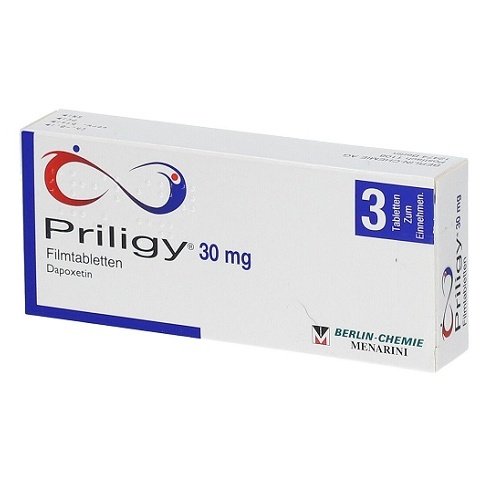
Priligy (dapoxetine) is the first FDA-reviewed oral medication specifically developed for men struggling with premature ejaculation—meaning it’s designed to help you last longer, starting with the very first dose. Before considering Priligy, know this: its effects are rapid but short-lived, so correct timing and realistic expectations are everything.
Priligy Myths and Realities: A Firsthand Look
“There’s got to be something that works right away—like, tonight. That’s what I need.” If you’ve searched for Priligy, odds are you’ve thought some version of that sentence. The myth is everywhere: that sexual problems are solved with the right pill, instantly, no questions asked. The reality? It’s more nuanced. Priligy isn’t Viagra, and it isn’t a placebo. It sits between those extremes—a medication built for men who climax much sooner than they or their partners want, who are tired of anxiety, disappointment, and the endless cycle of failed “tips and tricks.”
In the United States, talking about premature ejaculation is rarely easy. For many men, the topic is wrapped in embarrassment, secrecy, and unrealistic expectations. Ads promise miracles. Friends or anonymous forums offer “hacks.” Most solutions disappoint. That’s why, when a prescription medication like Priligy makes it to your radar, the stakes feel higher. Is it the answer? Or just another hope to be dashed?
The rest of this article aims to bridge the gap between hype and reality. Whether you want control, confidence, or just a break from worry, what matters is how Priligy works in actual bedrooms—not just in clinical trials.
Dapoxetine: What Sets This Molecule Apart
Priligy’s story starts and ends with dapoxetine. Most men familiar with “SSRIs” (like sertraline or paroxetine, often used off-label for premature ejaculation) assume Priligy is more of the same. It isn’t. Dapoxetine is the only short-acting SSRI specifically developed, tested, and (in many places outside the US) approved purely for this condition. In the United States, it’s not FDA-approved, but it’s prescribed off-label and its science is solid enough that many urologists and sexual medicine specialists reach for it first.
- Dapoxetine’s defining feature
- It works within 1-3 hours, wears off within a day, and is designed for single-use “on demand”—not for daily use like its antidepressant cousins.
- Why does that matter?
- Traditional SSRIs build up in your system, meaning you’re taking a medication every day whether you’re planning sex or not—and facing side effects throughout. With dapoxetine, you treat the problem only when it’s a problem. For many men, that’s a game changer.
The speed, predictability, and short half-life of dapoxetine reduce the risk of unwanted emotional blunting, persistent sexual side effects, and medication “hangover.” Yet, for some men, this means the benefit is also shorter-lived; missing the window means missing the effect.
How Priligy Actually Works—and Why That’s Different
Priligy doesn’t slow you down by numbing sensation or causing sedation. Instead, dapoxetine temporarily increases serotonin signaling in the brain, shifting the balance between arousal and climax. The result is a “longer fuse”—not less pleasure, but more control.
For men with lifelong premature ejaculation (meaning: you nearly always climax within about a minute of penetration), the mechanism is especially relevant. The problem isn’t psychological, it’s neurochemical—your body’s default setting is simply too sensitive. Dapoxetine tweaks that setting, but only for a few hours at a time.
- Onset: Most men feel the effect within 1-3 hours (plan ahead). There’s no need for days or weeks of buildup.
- Duration: The window of action is brief—typically 4-6 hours. After that, your system returns to baseline.
- Control: You choose when to take it. No daily commitment or ongoing exposure.
This “as-needed” dosing is unique among PE treatments and appeals to men who want flexibility. But it also means you need to plan—impromptu intimacy may not always fit the pill’s schedule.
What to Expect in Real Life: The Patient Experience
Sitting in the exam room, you’re handed a prescription and instructions: “Take one pill 1-3 hours before sex.” What happens next? For most men, anticipation is mixed with skepticism—will it actually work, will it feel different, will side effects ruin the mood?
The first dose is the real test. Some men report a subtle sense of calm, reduced anxiety, and the ability to “ride out” sensations that used to overwhelm them. Others notice little or nothing. If it helps, the change is clear: more control, longer time to climax, and sometimes a welcome boost in confidence. But it’s rarely a miracle. The effect is often incremental, not absolute.
- Side effects: Nausea, headache, dizziness, and mild stomach upset are most common. They’re usually short-lived, but can be enough for some men to stop using the medication.
- Partner experience: Many partners notice and appreciate the difference—especially if PE has been a source of relationship strain.
- Build-up: There’s no cumulative effect. If you skip a dose, there’s no residual benefit or withdrawal.
One frustration: some men report “good days and bad days” with inconsistent results. Stress, alcohol, other medications, and timing errors can all blunt the effect.
How to Use Priligy: Timing, Dosing, and Getting Results
The moment you fill your first prescription, practical questions take over: When should you take the pill? What if your plans change? Does food matter? Here’s what experience and evidence reveal—not just the label instructions.
Dosing is simple, but timing is everything: Most start at 30 mg, taken with a full glass of water 1-3 hours before anticipated sexual activity. For some, 60 mg is tried if 30 mg is only partially effective and side effects are manageable. Do not take more than one pill in 24 hours.
| Patient Category | Starting Dose | Maximum Dose | Timing |
|---|---|---|---|
| Healthy Adult Men (18-64) | 30 mg | 60 mg | 1-3 hours before sex |
| Men 65+ | 30 mg | 60 mg (with caution) | 1-3 hours before sex |
| Renal impairment | 30 mg (caution, no data for severe impairment) | — | Individualized, consult physician |
| Hepatic impairment | Not recommended | — | Do not use in moderate to severe impairment |
Food has little effect on absorption, but alcohol can significantly increase side effects like dizziness and fainting. Plan accordingly.
- Missed the window? If the timing is off, you’ll likely get little or no benefit. The medication won’t “wait” in your system.
- Multiple attempts: Some men need a few tries to find their best timing and dose. Track your results and side effects to discuss with your doctor.
- Daily use? Not recommended. Priligy is designed for on-demand use only.
Priligy versus the Rest: Comparison Table
| Attribute | Priligy (Dapoxetine) | Paroxetine (off-label) | Topical Lidocaine/Prilocaine Creams |
|---|---|---|---|
| Indication (US) | Off-label for PE | Off-label for PE, approved for depression/anxiety | Off-label for PE |
| Mechanism | Short-acting SSRI, central effect on serotonin | Long-acting SSRI, central effect on serotonin | Peripheral nerve desensitization |
| How Used | On-demand, 1–3h before sex | Daily | Applied 10–20 min before sex, wash off |
| Onset/Duration | Rapid (1–3h), short (4–6h) | Delayed (1–3 weeks for effect), long-lasting | Rapid onset, short duration (hours) |
| Effectiveness | 2–3x baseline time, rapid benefit | 2–3x baseline over weeks | 1.5–2x baseline, variable |
| Common Side Effects | Nausea, headache, dizziness | Sexual dysfunction, weight gain, mood effects | Numbness, loss of sensation, partner transfer |
| Prescription Needed? | Yes | Yes | No (for most non-prescription creams) |
| Cost (approx.) | Varies widely; $6–$25/tablet not uncommon | Low (generic), covered by insurance for depression | Low ($10–$30/tube), not usually covered |
| Adherence Factors | Requires planning, single dosing | Daily commitment, long-term side effects | Messy, can reduce pleasure, risk of numbing partner |
| FDA Approval for PE? | No (off-label) | No (off-label) | No |
Interpretation: Priligy stands out for rapid, on-demand efficacy and fewer long-term side effects compared to daily SSRIs. However, it requires more planning than topical options and is not FDA-approved for PE in the United States, so insurance coverage is limited. The ideal choice depends on your priorities: speed, convenience, side effect tolerance, and whether you prefer a pill, cream, or daily regimen.
Which Side Effects Matter Most with Priligy—and When to Act
Most men tolerate Priligy well, but side effects shape the experience more than many expect. Here’s what matters most, and what to watch for:
- Nausea: The most common side effect. Sometimes severe enough to deter continued use, but often improves after a few doses.
- Dizziness or lightheadedness: Sometimes accompanied by fainting, especially when standing up quickly. This can be dangerous if you’re driving, operating machinery, or standing during sex.
- Headache: Usually mild, managed with over-the-counter pain relievers.
- Insomnia and anxiety: Uncommon, but possible—especially if you are sensitive to SSRIs.
The vast majority of side effects appear within a few hours of the dose, fade quickly, and are gone the next day. But the first dose is unpredictable—take it in a safe place, with someone nearby if possible.
| Side Effect | How Common? | When to Contact a Doctor |
|---|---|---|
| Nausea | Common (10–20%) | If severe or persistent beyond 24 hours |
| Dizziness/Fainting | Less common (1–5%) | If you faint, fall, or feel unable to stand |
| Headache | Common (10%) | If severe or not improved with usual treatments |
| Serotonin syndrome signs | Rare (<1%) | Immediate emergency care needed* |
| Allergic reaction | Very rare | Immediate emergency care for swelling, hives, trouble breathing |
*Serotonin syndrome is extremely rare when Priligy is used alone, but risk rises with other serotonergic drugs.
When Priligy is Not for You: Red Flags and Gray Areas
- You have significant heart disease, especially arrhythmias not controlled by medication.
- You’re on monoamine oxidase inhibitors (MAOIs), thioridazine, or other drugs altering serotonin metabolism.
- You have moderate to severe liver impairment.
- You have a history of fainting (syncope) or unexplained blackouts.
- You’re under 18 or over 65 without a specialist’s assessment.
Relative contraindications (gray areas):
- Mildly elevated blood pressure or mild heart disease: Priligy may be used with caution after discussion with your physician.
- Mild kidney impairment: No dose adjustment needed, but close monitoring is suggested.
- Taking other antidepressants or serotonergic medications: Risk of serotonin syndrome is higher; expert supervision is essential.
- History of significant depression or bipolar disorder: Discuss risks and close monitoring with your doctor before starting dapoxetine.
Insurance, Access, and Pricing: The Realities of Getting Priligy in the US
In the United States, Priligy’s legal and commercial status is… complicated. Dapoxetine is not FDA-approved for premature ejaculation, so you won’t find it listed under standard insurance formularies. Your options depend on your provider, your prescription, and how much you’re willing to pay out of pocket.
- Prescription status: Priligy is prescribed “off-label” by urologists, primary care physicians, and sexual medicine specialists. Be prepared for a conversation about risks, benefits, and alternatives.
- Pharmacy access: Most chain and independent pharmacies in the US do not routinely stock Priligy, but they can special order it. Some online pharmacies may offer dapoxetine, but beware of unregulated sources—counterfeit risk is real.
- Insurance coverage: Rarely covered for PE. If you have coverage for “non-FDA-approved” medications with a supportive provider, you may get partial reimbursement, but expect to pay most or all out of pocket.
- Cost: Varies widely but can run from $6 to $25 or more per tablet. Generic dapoxetine may be available from some compounding pharmacies, but quality and legality vary.
The real limitation for US patients is not just cost, but availability. If you’re committed to trying Priligy, a frank conversation with your doctor and pharmacist is essential—expect to troubleshoot supply and insurance hurdles together.
Doctor on the Clinical Frontline: Who Thrives on Priligy, and Who Doesn’t
“The patients who do best with Priligy are those who want a targeted, short-term solution—men with true lifelong premature ejaculation, not just occasional early climax. They tend to be motivated, willing to plan sex ahead, and open to trial and error with timing. The biggest disappointment comes when men hope for a ‘magic bullet’—it’s not that. For men with broader sexual dysfunction, high performance anxiety, or comorbid depression, Priligy rarely solves the whole problem. The best results come when it’s used as one tool among many, with open communication and tailored expectations.”
— Board-certified Urologist, United States
In practice, the reality is nuanced. Some men find Priligy “life-changing,” others stop after a handful of doses due to side effects or unmet expectations. Matching medication to patient is part science, part art—and a conversation worth having with a specialist who treats sexual health regularly, not just a generalist.
FAQ About Priligy: Real Questions, Real Answers
- Is Priligy FDA-approved for premature ejaculation in the US?
- No, Priligy (dapoxetine) is not FDA-approved for premature ejaculation in the United States. It is prescribed “off-label,” which means your doctor may still recommend it based on available evidence and clinical judgment.
- How quickly will I notice results, and how long do they last?
- Most men notice the effect within 1 to 3 hours of taking a dose, and the benefit lasts about 4 to 6 hours. If you miss the window, you’ll likely lose the effect for that occasion.
- Can I take Priligy every day?
- No, daily use is not recommended. Priligy is meant for on-demand use only—no more than once in a 24-hour period. Daily dosing increases the risk of side effects without proven additional benefit.
- What happens if I drink alcohol with Priligy?
- Alcohol increases the risk of side effects, particularly dizziness and fainting. Combining alcohol and Priligy is not recommended and can be dangerous, especially the first time you try it.
- Will my insurance cover Priligy?
- Almost never. Since Priligy is not FDA-approved for PE in the US, insurance coverage is rare. You should expect to pay out of pocket unless your plan has special provisions and your provider is willing to advocate for coverage.
- How do I know if Priligy is working for me?
- If you notice a significant increase in time to ejaculation, more control, and an improvement in your experience (and your partner’s), it’s working. If you see no change after 3-4 attempts, consider a dose adjustment or alternative treatment with your physician.
- Can Priligy be combined with other PE treatments?
- Sometimes. It is occasionally used with behavioral therapy or topical anesthetics, but more than one medication increases the risk of side effects. Always discuss combinations with your physician before trying them.
- Is it safe to buy Priligy online?
- Only if you are using a licensed US pharmacy. Online sources outside the US may sell counterfeit or unsafe products. Always verify pharmacy credentials and avoid overseas or unregulated sites.
Sources / References
- U.S. Food and Drug Administration (FDA)
- Premature Ejaculation: Diagnosis and Management, American Urological Association, 2021
- PubMed
- Priligy (dapoxetine) Prescribing Information, Menarini Group, 2019
- Mayo Clinic
- ClinicalTrials.gov
- International Society for Sexual Medicine
- European Medicines Agency (EMA), Dapoxetine Assessment Report, 2012