
- Home/
- Buy Clomid Online in the United States – Fast and Secure Ordering
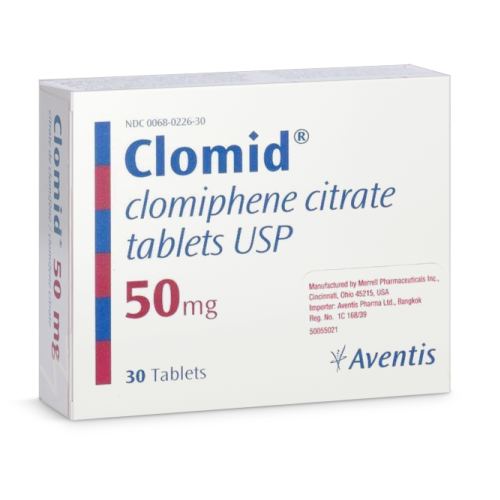
Clomid (Clomiphene) in the United States: The Comprehensive Medical Guide
Can Clomid Be Obtained Without a Prescription in the United States?
No, purchasing Clomid (clomiphene) without a prescription in the United States is illegal. Clomid is a prescription-only medication regulated by the U.S. Food and Drug Administration (FDA) due to its specific indications, potential risks, and necessary medical supervision. Obtaining or using Clomid without a healthcare provider’s prescription is unsafe and may result in legal and health complications.
Summary: Key Facts About Clomid
- Active Ingredient: Clomiphene citrate
- Main Use: First-line treatment for ovulatory dysfunction in female infertility
- Prescription Status: Prescription required in all U.S. states
- Typical Starting Dose: 50 mg once daily for 5 days, starting on day 3–5 of the menstrual cycle
- Absolute Contraindications: Pregnancy, liver disease, ovarian cyst unrelated to polycystic ovary syndrome (PCOS), abnormal vaginal bleeding of unknown origin
- Common Side Effects: Hot flashes, abdominal bloating, breast discomfort, mood changes, visual disturbances
- FDA Approval: Yes (FDA)
How Does Clomid Work to Treat Female Infertility?
Clomid (clomiphene citrate) is classified as a selective estrogen receptor modulator (SERM). Its main therapeutic mechanism involves binding to estrogen receptors in the hypothalamus—a key hormonal control center in the brain.
Step-by-step pharmacology:
- Competitive Binding: Clomiphene occupies estrogen receptors in the hypothalamus, blocking endogenous estrogen from attaching.
- Disrupts Negative Feedback: The hypothalamus perceives low estrogen activity, which triggers the release of gonadotropin-releasing hormone (GnRH).
- Stimulation of Pituitary Hormones: GnRH prompts the anterior pituitary gland to secrete higher amounts of follicle-stimulating hormone (FSH) and luteinizing hormone (LH).
- Follicular Development and Ovulation: Raised FSH stimulates ovarian follicle maturation, while LH surge induces ovulation—a critical step for conception.
Metaphor: Imagine estrogen as the “brakes” for hormone release. Clomid tricks the body into thinking estrogen levels are low, so the body “steps on the gas,” boosting hormones that stimulate the ovaries.
Effectiveness: Clomid is most effective in women with anovulatory or oligo-ovulatory cycles (infrequent or absent ovulation), provided ovarian reserve and other fertility factors are adequate.
Source: PubMed, FDA
Expert Commentary from doctor
In clinical practice, I often see patients who believe Clomid will guarantee pregnancy after a single course. In reality, ovulation induction is just the first step—success also depends on age, partner factors, and uterine/tubal health. Patients sometimes miss optimal timing or fail to follow up with monitoring. My advice: treat Clomid as part of a comprehensive fertility plan. Precise cycle tracking, ultrasound monitoring, and timely intercourse or insemination maximize success. Most importantly, don’t continue cycles endlessly—if pregnancy doesn’t occur after 3–6 courses, it’s time to reassess with your fertility specialist.
How Should Clomid Be Taken? Dosage Regimens and Key Instructions
| Parameter | Standard Recommendation (U.S.) |
|---|---|
| Initial Dose | 50 mg once daily for 5 days |
| When to Start | Day 3–5 of the menstrual cycle |
| Maximum Dose | 100 mg daily (rarely 150 mg, only as directed by a specialist) |
| Maximum Number of Cycles | Generally 3–6 cycles, then re-evaluation |
| Tablet Splitting | Tablets are scored and may be split if needed |
| Missed Dose | Take as soon as remembered unless it’s almost time for next dose |
Peak Effect: Ovulation typically occurs 5–10 days after the last tablet. Monitor with ovulation predictor kits or ultrasound.
Duration of Effect: Each course targets one ovulatory cycle; cumulative exposure should not exceed six cycles.
Special Populations: Dose adjustments are rarely needed for mild renal impairment; however, Clomid is contraindicated in significant liver disease due to hepatic metabolism.
Never exceed 100–150 mg per day. Higher doses do not improve outcomes and may increase risks.
Does Food or Alcohol Affect Clomid’s Action?
- Food: Clomid absorption is not significantly affected by food. However, taking it with a light meal may reduce stomach upset.
- Fatty Meals: High-fat meals do not meaningfully delay absorption or reduce efficacy.
- Alcohol: Occasional light alcohol use (≤1 standard drink) is unlikely to alter Clomid’s effect, but alcohol can exacerbate certain side effects (e.g., hot flashes, mood swings). Heavy or binge drinking should be strictly avoided during ovulation induction.
- Grapefruit Juice: No clinically significant interaction with grapefruit juice has been documented.
As always, consult your healthcare provider about your specific diet, alcohol use, and possible interactions with other medications or supplements.
Who Should Not Take Clomid? Contraindications Explained
- Absolute Contraindications
-
- Pregnancy (known or suspected)
- Liver disease or impaired liver function
- Unexplained abnormal uterine bleeding
- Ovarian cysts not due to polycystic ovary syndrome
- Endometrial carcinoma or hormone-sensitive tumors
- Hypersensitivity to clomiphene or excipients
- Relative Contraindications
-
- Thyroid or adrenal dysfunction (must be corrected before use)
- Severe mental health disorders (may worsen mood symptoms)
- Visual disturbances (risk of exacerbation)
- Patients with significant risk of ovarian hyperstimulation syndrome (OHSS)
Why These Contraindications? Clomid can worsen certain liver, endocrine, or hormone-driven conditions. In pregnancy, it could harm fetal development. Unexplained bleeding must be evaluated for malignancy before use.
What Side Effects Are Most Common with Clomid?
| Frequency | Side Effect | Mechanism/Note |
|---|---|---|
| Very Common (>10%) |
Hot flashes, abdominal discomfort | Estrogen receptor modulation in CNS and ovaries |
| Common (1–10%) |
Bloating, breast tenderness, nausea, headache, mood swings | Hormonal fluctuation |
| Uncommon (0.1–1%) |
Visual disturbances (blurred vision, spots) | Transient changes in retinal blood flow; usually reversible |
| Rare (<0.1%) |
Ovarian hyperstimulation syndrome (OHSS), ovarian cysts, multiple pregnancies (twins/triplets) | Excess follicular response |
| Very Rare/"Severe" | Thromboembolism, severe visual loss, allergic reactions | Immediate discontinuation required |
What to Do If Side Effects Occur:
- Hot flashes and mild bloating: Usually transient—report to your doctor if severe or persistent.
- Visual symptoms: Stop medication and notify your provider immediately; permanent vision changes are very rare but require urgent assessment.
- Abdominal pain, rapid weight gain, or vomiting: May indicate OHSS—seek prompt medical attention.
Source: Mayo Clinic
Common Patient Mistakes Observed by doctor
- Overusing Cycles: Many patients try more than six cycles without re-evaluation, risking diminishing returns and increased side effects. Always reassess if you haven’t conceived after 3–6 courses.
- Incorrect Timing: Starting Clomid on the wrong day or misunderstanding when ovulation occurs can lead to missed opportunities. Follow your provider’s instructions exactly and monitor ovulation with test kits or ultrasound.
- Ignoring Side Effects: Continuing medication despite severe headaches, vision changes, or abdominal pain can be dangerous. Report new or worsening symptoms promptly.
- Disregarding Partner Evaluation: Forgetting to ensure the partner’s fertility status can lead to unnecessary cycles. Male factor infertility should be ruled out before or during Clomid therapy.
- Obtaining Medication Illegally: Using non-prescribed or internet-obtained Clomid is both illegal and dangerous; it increases the risk of counterfeit products and lacks proper monitoring.
How Does Clomid Compare with Alternatives for Female Infertility?
| Medication | Mechanism | Typical Onset | Key Risks | Price per cycle (USD) |
|---|---|---|---|---|
| Clomid (Clomiphene) | SERM, stimulates FSH/LH | Ovulation in 5–10 days after last dose | Multiple gestation, hot flashes, vision changes | $15–$60 (generic) |
| Letrozole (Femara) | Aromatase inhibitor | Ovulation in 5–10 days | Fatigue, joint pain, less risk of multiples | $20–$90 (generic) |
| Gonadotropin Injections | Direct FSH/LH stimulation | Ovulation within days, requires close monitoring | OHSS, multiple gestations, expensive | $1,000–$5,000 |
Bottom line: Clomid offers a low-cost, effective, first-line oral therapy for many women with ovulatory dysfunction. Letrozole may be preferred in some with polycystic ovary syndrome (PCOS). Injectable gonadotropins are reserved for complex or resistant cases due to cost and risk.
Questions Frequently Asked to doctor
- How long does it usually take to become pregnant on Clomid?
- Most pregnancies occur within 3–6 cycles. If unsuccessful after this, further fertility evaluation is strongly advised.
- Is it safe to take Clomid if I have irregular cycles?
- Yes, Clomid is specifically used for women with irregular or absent ovulation. However, your doctor should confirm normal uterine and hormonal status before starting.
- Can I use Clomid with other supplements or herbal products?
- Some supplements can interact or obscure hormone levels. Tell your provider about all products to avoid unintended interactions.
- Should my partner be tested before I start Clomid?
- Absolutely. Male factor infertility accounts for nearly half of cases and should be evaluated to avoid unnecessary cycles.
- What if I miss a dose of Clomid?
- Take it as soon as you remember unless it’s almost time for your next dose. Do not double up. Missing one dose may not affect efficacy, but timing is important.
- Can Clomid increase the risk of ovarian cancer?
- Current evidence does not show a significant increase in ovarian cancer risk with short-term (≤6 cycles) use. Prolonged, repeated use may carry higher risk; always follow your doctor’s plan.
- Is Clomid safe for women over 40?
- Fertility and ovarian reserve decline with age, and the chance of success with Clomid is lower in older women. A thorough discussion with your reproductive endocrinologist is essential.
Clomid: Key Characteristics Table
| Parameter | Value |
|---|---|
| Active Ingredient | Clomiphene citrate |
| Available Form | Oral tablet (usually 50 mg per tablet) |
| Onset of Action | Ovulation typically 5–10 days after last tablet |
| Half-life | 5–7 days (varies by isomer) |
| Metabolism | Primarily hepatic (liver) |
| Elimination | Via feces and urine |
| Pregnancy Category | X (contraindicated in pregnancy) |
| FDA Approval | Yes |
How to Obtain Clomid Legally in the United States: Step-by-Step
- Consult a Healthcare Provider: Schedule a visit with an OB/GYN, reproductive endocrinologist, or fertility specialist in your city (e.g., New York, Chicago, Dallas).
- Diagnostic Assessment: Your provider will review your medical history, cycle pattern, and may order lab tests and ultrasound to confirm ovulatory dysfunction.
- Partner Evaluation: Semen analysis for your partner is recommended to rule out male factor infertility.
- Obtain a Prescription: If Clomid is appropriate, your provider will prescribe it, specifying dose, timing, and number of cycles.
- Fill the Prescription: Bring the prescription to a licensed U.S. pharmacy (chains like CVS, Walgreens, local independents) or use a verified online pharmacy registered with the National Association of Boards of Pharmacy (NABP).
- Telemedicine Option: Many states allow video or secure online consultations for fertility medications with a licensed U.S. provider. After evaluation, a valid prescription is sent to your chosen pharmacy.
- Insurance/Reimbursement: Coverage varies. Some private insurers may cover generic clomiphene; Medicaid coverage is state-specific. Out-of-pocket cost for generics is typically $15–$60 per cycle.
- Start Therapy: Follow your doctor’s instructions closely. Arrange for follow-up visits or monitoring as recommended.
Never obtain Clomid from websites that do not require a prescription. These may sell counterfeit or unsafe products and put your health at serious risk.
Buying Clomid Online or At Local Pharmacies: What’s Legal in the United States?
Clomid is a prescription-only medication regulated by the FDA.
- Local U.S. Pharmacies: Require a valid prescription from a licensed U.S. physician.
- Online Pharmacies: Must be certified (look for .pharmacy or NABP accreditation). They require proof of prescription and will NOT dispense without it.
- Risks of Unlicensed Online Sellers: Products may be counterfeit, improperly stored, or mislabeled. Importing medication without prescription is illegal and may be seized by customs.
- Verification Tip: U.S. pharmacies display state license numbers. Check legitimacy via your state Board of Pharmacy.
Prescription regulations protect your safety—not just legal compliance.
How to Spot Counterfeit Clomid and Understand Generics
Authentic Clomid (brand):
- Tablets are round, white, scored, marked with manufacturer’s initials and dose (e.g., “CLOMID 50”).
- Packaging: Blister packs or bottles with clear lot and expiration codes. U.S. packaging uses English labeling, NDC (National Drug Code), and FDA registration info.
- Official pill bottle should have tamper-evident seal and may carry a QR code or hologram (check for this if available).
Unusual Signs of Counterfeit:
- Unusually low price (e.g., under $10 per cycle with no insurance)
- Packaging with misspellings, faded print, or missing manufacturer/NDC info
- No prescription required by the seller
- Foreign language labeling or unclear dose markings
- Loose tablets in generic zip bags or unsealed bottles
Generics: U.S.-approved generic clomiphene citrate contains the same active ingredient and must meet FDA bioequivalence standards. Inactive ingredients (excipients) may differ—rarely, these can cause allergic reactions. Generics are equally effective and cost substantially less.
Myth: Only the brand-name Clomid works.
Reality: U.S. generics are clinically equivalent when FDA-approved; most patients do well with generics and save money.
Compatibility Check: Clomid With Other Products
| Product/Drug | Can Combine? | Consequence / Note |
|---|---|---|
| Oral contraceptives | No | Blocks ovulation, defeats purpose |
| Metformin (for PCOS) | Yes | May improve response in some patients |
| Letrozole | No | Not recommended except in rare specialist-directed protocols |
| Alcohol (moderate) | Occasional | May worsen side effects; avoid heavy use |
| NSAIDs (ibuprofen) | Yes, with caution | Monitor for ovulation interference |
| St. John’s Wort or herbal supplements | No reliable data | Possible unpredictable interactions |
What Should I Do If I Overdose on Clomid?
- Stop taking Clomid immediately.
- Call Poison Control at 1-800-222-1222 or seek emergency medical care.
- Inform healthcare professionals about the exact amount and timing of doses taken.
- Bring the packaging or prescription with you.
- Symptoms of overdose may include nausea, vomiting, vision changes, hot flashes, or pelvic pain.
- Do not attempt to treat overdose at home.
Special Considerations: Chronic Conditions and Demographics
- Liver Disease: Clomid is contraindicated due to reliance on hepatic (liver) metabolism.
- Renal Impairment: No dose adjustment for mild impairment; avoid in severe cases without specialist guidance.
- Older Patients (>40 years): Lower success rates and higher risk of chromosomal abnormalities; alternative therapies may be prioritized.
- Driving/Operating Machinery: Rare visual disturbances can occur; avoid driving if you experience changes in vision.
- Family Planning: Clomid increases risk of twins or higher-order multiples. Discuss risks/benefits if you wish to avoid multiple gestation.
Psychological Support and Fertility: You’re Not Alone
Infertility is a common and emotionally challenging experience affecting millions of couples in the United States. Medication like Clomid can help induce ovulation, but emotional support, counseling, and honest discussion with your partner or a licensed therapist are often just as important as the medication itself. Remember: seeking help is a sign of strength, not weakness.
Professional Opinion of doctor
As a fertility specialist, I see Clomid as an accessible and effective first-line option for women with ovulatory disorders and normal uterine anatomy. Its track record is strongest in younger women with regular cycles and no significant comorbidities. However, success depends on comprehensive care—timely monitoring and partner evaluation are non-negotiable. Risks like multiple gestation and ovarian hyperstimulation are real but manageable with appropriate supervision. For women who don’t respond after a few cycles, or who have other complicating factors (advanced age, severe PCOS, male factor), alternative therapies such as letrozole or injectable gonadotropins, and even assisted reproductive technologies, may offer better outcomes. Above all, individualized care and ongoing dialogue between patient and provider are essential for both safety and success.
Frequently Asked Questions (FAQ) About Clomid
- Can I buy Clomid online in the U.S.?
- No, you must have a valid prescription. Only use licensed U.S. online pharmacies that require a prescription.
- Does insurance cover Clomid?
- Many private insurers cover generic clomiphene, but coverage and co-pay may vary. Medicaid coverage depends on state policy.
- How quickly does Clomid start working?
- Ovulation typically occurs 5–10 days after the last dose in a cycle.
- What if I don’t ovulate after taking Clomid?
- Your doctor may increase the dose or recommend alternative treatments. If no response after 3–6 cycles, further evaluation is needed.
- Is it dangerous to take too much Clomid?
- Yes. Excess dosing increases risk of side effects and ovarian hyperstimulation. Never exceed prescribed dose.
- Can men use Clomid for infertility?
- Yes, in select cases of male infertility, but only under specialist care. Dosing and monitoring differ from female protocols.
- Is Clomid safe during breastfeeding?
- Clomid is not recommended during breastfeeding due to potential effects on milk production and unknown risk to the infant.
- Will I have twins if I take Clomid?
- The risk of twin pregnancy is about 5–10%, higher than the natural baseline, but most pregnancies are singleton.
- Are generic versions of Clomid as effective?
- FDA-approved generics are clinically equivalent to brand-name Clomid when obtained from a licensed U.S. pharmacy.
References
- U.S. Food and Drug Administration (FDA), https://www.fda.gov
- Mayo Clinic, Clomiphene (Oral Route) – https://www.mayoclinic.org/drugs-supplements/clomiphene-oral-route/description/drg-20066802
- National Institutes of Health, MedlinePlus, Clomiphene – https://medlineplus.gov/druginfo/meds/a682704.html
- PubMed Central articles on Clomiphene efficacy and safety – https://www.ncbi.nlm.nih.gov/pubmed/
- American Society for Reproductive Medicine (ASRM) Guidelines – https://www.asrm.org
- National Association of Boards of Pharmacy (NABP) – https://nabp.pharmacy/programs/dotpharmacy/
Final Note: This guide is intended to provide deep, evidence-based insight into Clomid (clomiphene) use in the United States. Always work with a licensed healthcare provider to determine if Clomid is appropriate for you, and never obtain medications from unlicensed or unverified sources. Your safety and reproductive health depend on it.