- Home/
- Buy Antabuse Online in the United States Safely and Conveniently
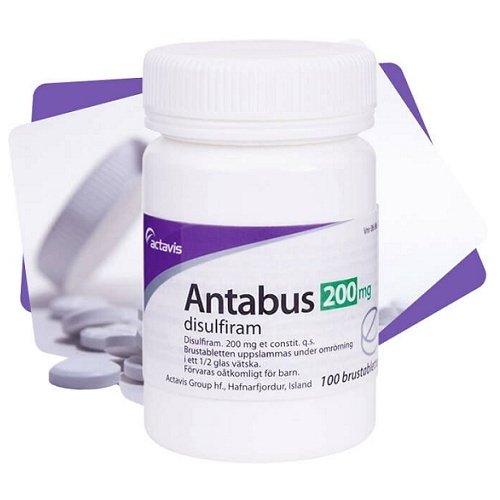
Table of Contents
- Can I Get Antabuse in the United States Without a Prescription?
- Summary: Key Facts About Antabuse in the United States
- How Does Antabuse Work? Mechanism of Action Explained
- Expert Commentary from doctor
- How Should Antabuse Be Taken? Dosage and Administration Guidelines
- Can I Take Antabuse with Food or Alcohol? Lifestyle and Dietary Considerations
- When Is Antabuse Unsafe? Contraindications and Cautions
- What Side Effects Are Most Common with Antabuse?
- Common Patient Mistakes Observed by doctor
- How Does Antabuse Compare to Alternatives? (Table)
- Questions Frequently Asked to doctor
- Antabuse at a Glance: Key Characteristics Table
- How to Obtain Antabuse Legally in the United States: Step-by-Step Guide
- Is It Legal to Buy Antabuse Online in the United States?
- How to Spot Counterfeit Antabuse vs. Generics: Security Tips
- Antabuse Compatibility Checklist
- What to Do in Case of Antabuse Overdose? Step-by-Step
- How Is Antabuse Metabolized and Eliminated from the Body?
- Special Considerations for Specific Patient Groups
- Antabuse vs. Generic Disulfiram: What’s the Difference?
- Addiction Is Treatable: A Note of Empathy
- Professional Opinion of doctor
- Frequently Asked Questions about Antabuse in the United States
- References
Can I Get Antabuse in the United States Without a Prescription?
No, Antabuse (disulfiram) is a prescription-only medication in the United States. Federal and state law prohibit the sale or dispensing of Antabuse without a valid prescription from a healthcare provider licensed in your state. Attempting to purchase Antabuse online or in-person without a prescription is illegal, may result in receiving counterfeit medications, and poses significant health risks.
Summary: Key Facts About Antabuse in the United States
| Parameter | Key Facts (2026, U.S.) |
|---|---|
| Active Ingredient | Disulfiram (Antabuse brand; generics available) |
| Primary Indication | Treatment of chronic alcohol dependence, as part of a comprehensive treatment plan |
| Prescription Status | Prescription-only (Rx required) |
| Onset of Action | Within 1-2 hours; full effect within 12 hours |
| Main Contraindications | Severe heart, liver, or psychiatric conditions; recent alcohol ingestion |
| Price Range | $20–$85 for 60 tablets (250mg, generic); may vary by pharmacy and insurance |
| Insurance Coverage | Covered by most insurance plans, Medicaid, and Medicare Part D in most states |
| Dispensing | At licensed retail and online pharmacies with a valid prescription |
How Does Antabuse Work? Mechanism of Action Explained
Antabuse (disulfiram) works by irreversibly inhibiting the enzyme acetaldehyde dehydrogenase in the liver. When a person taking Antabuse consumes alcohol, their body cannot efficiently metabolize acetaldehyde, a toxic byproduct of alcohol breakdown.
Normally, ethanol (alcohol) is converted by alcohol dehydrogenase into acetaldehyde, which is then rapidly broken down by acetaldehyde dehydrogenase into harmless acetic acid. Disulfiram inhibits the second step, causing a rapid buildup of acetaldehyde in the blood. This triggers an immediate and extremely unpleasant reaction if even trace amounts of alcohol are consumed.
- Symptoms of this reaction: Flushing, nausea, vomiting, palpitations, throbbing headache, chest pain, severe anxiety, and hypotension. Severe reactions can be life-threatening.
- Disulfiram itself does not reduce craving or treat withdrawal; it acts as a deterrent by creating negative reinforcement for alcohol intake.
Metaphor: Think of Antabuse as a “roadblock” in your alcohol metabolism. If you try to drink, the toxins pile up rapidly, making you feel very sick — thus discouraging further use.
Important: Antabuse only triggers this effect in the presence of alcohol. It does not cause euphoria or reduce craving on its own. Some people refer to this as “aversion therapy.”
Clinical studies show that Antabuse, when combined with behavioral therapy and close medical supervision, can significantly reduce relapse rates in alcohol-dependent patients (PubMed, FDA).
Expert Commentary from doctor
In my practice, one of the most common misconceptions is that Antabuse will “cure” alcohol dependence or directly reduce cravings. That’s simply not the case. The biggest challenge is adherence: patients may skip doses intentionally if they plan to drink, or they might underestimate the severity of the reaction with concealed alcohol sources (like sauces or medication). I always stress the importance of full disclosure about all products being used and the need for a strong support system. For some, the fear of the reaction is enough of a deterrent, but Antabuse only works as part of a larger, multidisciplinary approach — including therapy and regular check-ins. Patient education and honest conversation about expectations are crucial to avoid frustration or unsafe use.
How Should Antabuse Be Taken? Dosage and Administration Guidelines
Standard Dosage Regimen
- Initial dose: 500 mg once daily for 1–2 weeks (taken in the morning).
- Maintenance dose: 250 mg daily (range: 125–500 mg), depending on response and tolerability. Some patients may require divided doses; decisions are individualized.
- Maximum dose: 500 mg per day. Do not exceed this amount.
- Formulation: Tablets (usually 250 mg or 500 mg); scored tablets may be split if needed.
Special Populations
- Elderly: Start with the lowest possible dose, as sensitivity to side effects (especially cardiovascular) is higher.
- Liver or kidney impairment: Use with extreme caution, or avoid if moderate/severe impairment is present.
- Children/Adolescents: Not recommended; safety and efficacy not established below 18 years.
Administration Tips
- Take Antabuse with or without food, with a full glass of water.
- Consistent daily timing increases adherence.
- Alcohol must be avoided for at least 12 hours before the first dose and for up to 14 days after the last dose.
Peak effect occurs within 12 hours of administration, but the deterrent effect may last up to 2 weeks after discontinuation.
Can I Take Antabuse with Food or Alcohol? Lifestyle and Dietary Considerations
- Can Antabuse be taken with food?
- Yes, food does not significantly affect absorption. Taking with meals may reduce stomach upset.
- Is alcohol strictly prohibited?
- Absolutely. Even trace amounts (as low as 10 mL of ethanol) can trigger a reaction. This includes hidden sources: mouthwash, cough syrups, sauces, vinegars, and even fermented foods.
- What about “alcohol-free” beer?
- Should be avoided. Many so-called alcohol-free products contain small amounts of ethanol.
- Grapefruit juice?
- No documented clinically relevant interaction between grapefruit juice and Antabuse. Still, always check with your prescriber regarding new foods or supplements.
- Fatty or spicy meals?
- No significant effect on Antabuse’s pharmacokinetics. However, high-fat meals may increase gastrointestinal side effects in some users.
Real-world tip: Check all over-the-counter products for alcohol content, including hand sanitizers and lotions.
When Is Antabuse Unsafe? Contraindications and Cautions
Absolute Contraindications (Never Use)
- Current or recent alcohol use (last 12 hours)
- Severe liver disease (cirrhosis, hepatitis with impaired function)
- Severe myocardial disease, coronary occlusion, or heart failure
- Psychosis or severe psychiatric illness (history or current)
- Hypersensitivity to disulfiram or excipients
- Pregnancy and breastfeeding (unless the benefit outweighs the risk, as determined by a specialist)
Relative Contraindications (Use with Caution)
- Mild to moderate liver disease
- Renal impairment
- Older adults (above 65)
- History of stroke or uncontrolled hypertension
- Epilepsy or history of seizures
Drug Interactions Worth Highlighting
- Metronidazole, isoniazid, and paraldehyde: Risk of severe neurologic or psychiatric reactions
- Anticoagulants (warfarin): Increased anticoagulant effect; monitor INR closely
- Phenytoin: Increased phenytoin levels; monitor for toxicity
- Tricyclic antidepressants: Potential for exaggerated CNS effects
Patients should disclose all medications and supplements to their provider before starting Antabuse.
What Side Effects Are Most Common with Antabuse?
Very Common (>10%)
- Drowsiness, fatigue
- Metallic or garlic-like aftertaste
- Headache
Common (1–10%)
- Skin rash, acne
- Impotence, decreased libido
- Gastrointestinal upset: nausea, vomiting, abdominal pain
- Hepatic enzyme elevation (AST, ALT)
- Allergic reactions (mild)
Rare (<1%)
- Neuropathy (tingling, numbness)
- Optic neuritis (visual changes; report immediately)
- Psychosis or confusional states
- Severe hepatitis, liver failure
- Severe allergic reactions (anaphylaxis)
What to Do if Side Effects Occur
- Mild: Often resolve with time. Discuss with your provider if persistent or bothersome.
- Severe/life-threatening: (Jaundice, severe rash, shortness of breath, confusion, visual changes) — stop Antabuse immediately and seek emergency care.
- Never resume Antabuse without consulting your doctor after a serious reaction.
Mechanistic insight: Most side effects are due to altered metabolism, direct CNS effects, or hypersensitivity.
Common Patient Mistakes Observed by doctor
- Skipping doses before planned drinking. Many patients intentionally miss doses, thinking it is “safe” to drink. This undermines therapy and increases relapse risk. Tip: Commitment and honesty with your care team are essential.
- Underestimating hidden alcohol sources. Patients often do not realize that common products (mouthwash, sauces, cold remedies) may contain alcohol. Tip: Read all labels and ask your pharmacist if unsure.
- Stopping Antabuse suddenly after side effects without informing the doctor. Some side effects require monitoring or dose adjustment, not outright discontinuation. Tip: Always report side effects promptly — don’t self-discontinue unless severe.
- Taking Antabuse too soon after last alcohol use. Starting too early can trigger severe reactions. Tip: Wait at least 12 hours after last drink and confirm sobriety with your prescriber.
- Forgetting to inform other providers about Antabuse therapy. Drug interactions can be dangerous. Tip: Carry a medication card or bracelet indicating Antabuse use.
- Assuming Antabuse alone is enough for recovery. Without counseling and support, relapse is common. Tip: Combine with behavioral therapy and regular follow-up.
How Does Antabuse Compare to Alternatives? (Table)
| Medication | Mechanism | Onset | Duration | Common Side Effects | Price (USD, 2026) | Prescription? |
|---|---|---|---|---|---|---|
| Antabuse (disulfiram) |
Aldehyde dehydrogenase inhibitor (aversion therapy) | 1-2 hours | 12-24 hours (deterrent up to 2 weeks after stopping) | Nausea, drowsiness, metallic taste, hepatitis (rare) | $20–$85/60 tabs (250mg) | Yes |
| Campral (acamprosate) |
NMDA receptor modulator (reduces craving) | Few hours | Bid dosing; steady state after 5–7 days | Diarrhea, insomnia, anxiety | $50–$190/180 tabs (333mg) | Yes |
| Revia/Vivitrol (naltrexone) |
Opioid receptor antagonist (reduces reward) | 1 hour (oral), 2–3 days (IM) | 24 hours (oral), 4 weeks (IM) | Nausea, headache, injection pain (IM), liver toxicity (rare) | $60–$120/30 tabs (oral 50mg) $1100–$1500/injection (IM 380mg) |
Yes |
Bottom line: Antabuse is unique as an aversive agent but does not reduce craving. Naltrexone and acamprosate are better for patients seeking to reduce urge, but do not induce a deterrent reaction. Cost and insurance coverage vary; generics are widely available for all.
Questions Frequently Asked to doctor
- Is it safe to take Antabuse for years?
- Long-term use is possible if liver function is closely monitored. I typically recommend annual reassessment, as some patients may eventually transition to non-pharmacologic therapy.
- What if I accidentally miss a dose?
- Take the missed dose as soon as you remember, unless it’s near the next scheduled dose. Never double up. If you miss multiple doses, inform your provider — don’t restart on your own.
- If I get sick (flu, COVID), should I pause Antabuse?
- Mild illnesses usually don’t require stopping, but many cold remedies contain alcohol. Check with your doctor about specific medications.
- Can Antabuse interact with my other medications?
- Yes, especially with certain antibiotics, antidepressants, and seizure medications. Always provide a full medication list to your provider before starting.
- How soon can I drink alcohol after stopping Antabuse?
- It’s critical to wait at least 14 days, as your body may still react strongly to alcohol. Even trace amounts can trigger symptoms during this window.
- Will Antabuse help with withdrawal symptoms?
- No. It does not treat withdrawal. Medical detoxification may be needed before starting Antabuse.
- Is it suitable for elderly patients?
- It can be, but requires extra caution due to higher risk of side effects and drug interactions. I start low and monitor closely.
Antabuse at a Glance: Key Characteristics Table
| Parameter | Value |
|---|---|
| Active Ingredient | Disulfiram |
| Standard Dose | 250 mg daily (range: 125–500 mg) |
| Onset of Action | 1–2 hours |
| Duration of Action | 12–24 hours; deterrent effect up to 14 days after last dose |
| Metabolism | Liver (CYP2E1), active metabolites |
| Elimination | Renal, fecal |
| Alcohol Reaction | Severe (flushing, tachycardia, nausea, potential for collapse) |
| Pregnancy/Lactation | Not recommended |
How to Obtain Antabuse Legally in the United States: Step-by-Step Guide
- Consult a Healthcare Provider: Schedule an in-person or telehealth appointment with a licensed physician, addiction specialist, psychiatrist, or primary care provider. Major cities like New York, Los Angeles, and Chicago have specialized addiction clinics; remote areas increasingly use telemedicine.
- Medical Assessment: The doctor will evaluate your medical history, current medications, liver function, and psychiatric status. You may undergo lab evaluation (e.g., liver enzymes, CBC).
- Prescription Issued: If appropriate, you’ll receive a prescription—either paper, electronic, or directly sent to your pharmacy of choice.
- Fill Prescription at a Licensed Pharmacy: Use a retail or certified online pharmacy (e.g., Walgreens, CVS, Rite Aid, or a state-licensed online platform). Always verify that the pharmacy is certified by the NABP .pharmacy program.
- Insurance and Payment: Present your insurance card if applicable; out-of-pocket costs range from $20–$85/month, but many plans cover the medication. Assistance programs exist for uninsured patients.
- Regular Follow-up: Plan ongoing check-ins to monitor side effects, adherence, and progress in recovery.
Note: Buying Antabuse from non-verified websites or without a valid U.S. prescription is illegal and dangerous.
Is It Legal to Buy Antabuse Online in the United States?
Purchasing Antabuse through a legitimate, U.S.-licensed online pharmacy is legal only if you have a valid prescription from a licensed provider. The FDA and NABP warn against using unverified websites, which often sell counterfeit or unsafe medications and may be subject to customs seizure or federal investigation.
- Look for the NABP Verified .pharmacy seal or check the FDA “BeSafeRx” portal for legitimate online pharmacies.
- Never trust sites offering Antabuse without a prescription or at suspiciously low prices.
- Illegally purchased or imported Antabuse may be seized and can endanger your health.
Prescription is a protection, not a hurdle: It ensures proper dosing, monitoring, and eliminates the risk of counterfeit products.
How to Spot Counterfeit Antabuse vs. Generics: Security Tips
- Original Antabuse packaging: Should be in tamper-evident, sealed blisters or bottles, with clear labeling (manufacturer, lot number, expiration date, NDC code). U.S. packaging uses FDA-approved design and barcodes.
- Pill appearance: Genuine tablets are white/off-white, round, may be scored, and have identifying engravings (depending on manufacturer). Check for consistency in size, shape, and color.
- Verification: Many products now include QR codes, holographic seals, or scratch-off verification numbers. Scan codes with your pharmacy’s app or call the manufacturer directly to confirm authenticity.
- Price warning: If the price is far below typical U.S. retail rates, be suspicious—it may be counterfeit or non-equivalent.
- What are generics? FDA-approved generics contain the same active ingredient, strength, and efficacy as the original but may have different excipients (inactive fillers, binders).
- Allergic reactions: Some people may react to a generic’s excipients. If you develop a new allergy, inform your provider.
When in doubt: Compare your medication to the pill identifier images on the pharmacy’s or manufacturer’s website, or consult your pharmacist.
Antabuse Compatibility Checklist
| Product/Drug | Can It Be Combined? | Consequences |
|---|---|---|
| Alcohol (any source) | NO | Severe, potentially fatal reaction |
| Metronidazole | NO | Severe CNS toxicity (confusion, psychosis) |
| Warfarin | Caution | Increased bleeding risk; monitor INR |
| Acetaminophen | Yes | No significant interaction |
| Antidepressants (SSRIs) | Caution | Monitor for CNS effects |
| Grapefruit juice | Yes | No clinically relevant interaction |
| OTC cold remedies | Caution | Check alcohol content before use |
What to Do in Case of Antabuse Overdose? Step-by-Step
- Stop taking Antabuse immediately.
- Call 911 or your local emergency number in the United States.
- Report the exact amount and time of ingestion, and whether alcohol or other drugs were taken.
- Do not attempt to induce vomiting unless instructed by medical personnel.
- Bring the medication bottle and packaging to the hospital if possible.
- Symptoms of overdose: Nausea, vomiting, hypotension, confusion, psychosis, seizures, cardiovascular collapse.
- Bottom line: Antabuse overdose can be life-threatening. Emergency treatment may include airway support, IV fluids, and monitoring of heart, liver, and neurological status.
How Is Antabuse Metabolized and Eliminated from the Body?
Absorption: Rapid and nearly complete from the gastrointestinal tract, but significant first-pass hepatic metabolism occurs. Peak plasma levels occur within 8–12 hours.
Metabolism: Disulfiram is reduced in the liver to diethyldithiocarbamate, an active metabolite, and further to carbon disulfide and diethylamine. Main metabolic pathway is via the cytochrome P450 system (especially CYP2E1).
Half-life (T1/2): ~60–120 hours (long variability due to slow release and tissue binding).
Elimination: Excreted in urine and feces, as both metabolites and unchanged drug. Small amounts detectable in exhaled air as carbon disulfide.
- Liver and kidney function directly influence elimination.
- Deterrent effect can persist for up to 2 weeks after discontinuation, due to slow clearance.
Clinical tip: This long half-life means that “testing the system” with alcohol shortly after stopping Antabuse is dangerous.
Special Considerations for Specific Patient Groups
Older Adults (>65 years)
- Increased risk of drowsiness, confusion, falls, and cardiovascular events.
- Start with lowest effective dose and monitor closely.
Patients with Liver or Kidney Disease
- Contraindicated in severe liver disease; use only with great caution if mild/moderate and under specialist care.
- Monitor liver enzymes regularly (every 1–3 months initially).
Pregnancy & Breastfeeding
- Not recommended due to potential fetal toxicity; use only if clear benefit and no safer alternatives.
- Disulfiram is excreted in breast milk.
Driving and Machinery Operation
- May cause drowsiness or reduced alertness. Avoid driving or operating heavy machinery until individual response is known.
Effects on Fertility
- No evidence of direct harm to fertility, but adverse effects on libido and sexual function are reported.
Antabuse vs. Generic Disulfiram: What’s the Difference?
| Parameter | Antabuse (brand) | Generic Disulfiram |
|---|---|---|
| Active Ingredient | Disulfiram | Disulfiram |
| Inactive Ingredients (excipients) | Manufacturer-specific; consistent batch to batch | May vary by generic manufacturer (can affect those with allergies) |
| Appearance | White, round, scored tablet with brand logo | White/off-white, may have different imprint or shape |
| Price (60 x 250mg) | $70–$110 | $20–$85 |
| Insurance coverage | Often covered | Almost always covered |
| Therapeutic equivalence | Yes | Yes (FDA-rated A/B) |
Bottom line: Most patients do equally well on generics. Choose the brand only if you have a specific allergy or have had issues with a particular generic’s excipients.
Addiction Is Treatable: A Note of Empathy
If you are struggling with alcohol dependence, you are not alone. Millions in the United States face similar challenges each year. Recovery is possible, and seeking help — whether through medication, therapy, or support groups — is a sign of strength. Discussing your journey with loved ones and professionals can make all the difference.
Professional Opinion of doctor
As a physician specializing in addiction treatment, I find Antabuse especially effective for highly motivated individuals committed to abstinence and willing to adhere to strict daily dosing. The medication is most valuable as part of a comprehensive program that includes counseling and ongoing monitoring. Not every patient is a good candidate, and I am cautious in those with liver issues, cardiovascular disease, or psychiatric comorbidities. I also see patients who would benefit more from craving-reduction therapies, such as naltrexone or acamprosate, especially if repeated relapses occur despite aversive therapy. The biggest predictor of success is not the drug itself but the support network and patient engagement. I urge anyone considering Antabuse to consult a specialist, ideally at a certified addiction treatment center, to ensure individualized, safe, and holistic care.
Frequently Asked Questions about Antabuse in the United States
- Is Antabuse available over the counter in the United States?
- No, it is only available with a prescription from a licensed healthcare provider.
- How long do I have to wait after stopping Antabuse before drinking alcohol?
- At least 14 days — reactions can occur for up to 2 weeks after discontinuation.
- Does insurance cover Antabuse?
- Most U.S. insurance plans, Medicaid, and Medicare cover Antabuse and its generics; check with your provider for specific coverage.
- Can Antabuse cause liver problems?
- In rare cases, yes. Regular monitoring of liver function is important during treatment.
- Is it possible to take Antabuse while using other medications?
- Some medicines interact with Antabuse. Always discuss your full medication list with your doctor before starting.
- What should I do if I experience severe side effects?
- Stop taking Antabuse and seek immediate medical attention.
- Are there alternatives to Antabuse for alcohol dependence?
- Yes, naltrexone and acamprosate are also approved for alcohol dependence in the United States.
- How do I know if I received genuine Antabuse?
- Purchase only from licensed pharmacies; check for tamper-evident packaging, correct labeling, and manufacturer seals.
- Can Antabuse be delivered to my home?
- Yes, many U.S. pharmacies offer home delivery for prescription medications with appropriate documentation.
- Does Antabuse treat withdrawal symptoms?
- No, medical detox is needed before starting Antabuse.
References
- U.S. Food and Drug Administration (FDA) — https://www.fda.gov/
- National Institutes of Health (NIH), MedlinePlus (Disulfiram) — https://medlineplus.gov/druginfo/meds/a682602.html
- National Institute on Alcohol Abuse and Alcoholism (NIAAA) — https://www.niaaa.nih.gov/
- Mayo Clinic, Disulfiram (Oral Route) — https://www.mayoclinic.org/drugs-supplements/disulfiram-oral-route/description/drg-20068136
- ClinicalTrials.gov, Disulfiram studies — https://clinicaltrials.gov/
- Substance Abuse and Mental Health Services Administration (SAMHSA) — https://www.samhsa.gov/
- PubMed, Recent studies on disulfiram efficacy and safety — https://pubmed.ncbi.nlm.nih.gov/
- National Association of Boards of Pharmacy (NABP) — https://nabp.pharmacy/
Seeking help? For local specialist referrals, contact SAMHSA’s national helpline at 1-800-662-HELP (4357), or search for certified addiction medicine providers in your region.
This guide is intended to provide a comprehensive, safe, and practical overview for those considering or prescribed Antabuse in the United States. Always consult your healthcare provider before starting or making any changes to your medication regimen.