
- Home/
- Buy Propecia Online in the United States – Fast and Secure Ordering
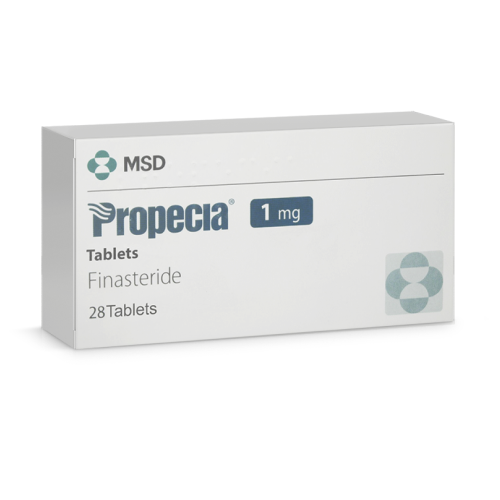
Table of Contents
- Quick Facts About Propecia in the United States
- Is a Prescription Required for Propecia in the United States?
- How Does Propecia (Finasteride) Work for Hair Loss?
- How to Use Propecia: United States Dosage and Administration Guide
- Food, Alcohol, and Lifestyle: What to Know When Taking Propecia
- Who Should Not Use Propecia? Contraindications Explained
- What Side Effects Are Most Common with Propecia?
- Propecia vs Alternatives: How Does It Compare?
- Key Characteristics Table: Propecia Detailed Overview
- How to Legally Obtain Propecia in the United States: Step-by-Step
- Can You Buy Propecia Online in the United States? Legal and Safety Guide
- How to Recognize Genuine Propecia and Avoid Counterfeits
- Original vs Generics: Is Generic Finasteride a Safe Alternative?
- Propecia Use in Special Patient Groups
- Propecia Pharmacokinetics: How the Body Processes the Drug
- What to Do in Case of Propecia Overdose: Emergency Steps
- Propecia Compatibility with Other Medicines and Products
- Myth vs Reality: What Propecia Can and Cannot Do
- Living with Hair Loss: Support and Next Steps
- Frequently Asked Questions (FAQ) – Propecia in the United States
- References
- About the Author
Quick Facts About Propecia in the United States
| Active Ingredient | Finasteride 1 mg |
|---|---|
| Main Use | Male pattern hair loss (androgenetic alopecia) |
| Prescription Required? | Yes (mandatory in all 50 states) |
| Typical Onset of Effect | 3–6 months for visible results |
| Most Common Side Effect | Reduced libido (up to 2–4% of users) |
| FDA Approval | Approved since 1997 for hair loss |
| Price Range (2026) | $25–$70/month (brand); $10–$30/month (generic) |
| Insurance Coverage | Rarely covered; usually out-of-pocket |
For those in a rush: Propecia (finasteride 1 mg) is an FDA-approved prescription oral tablet for male pattern hair loss. You cannot legally buy it over-the-counter or online in the United States without a valid prescription from a licensed healthcare provider.
Is a Prescription Required for Propecia in the United States?
Direct answer: Yes, Propecia (finasteride 1 mg) requires a prescription in all U.S. states. It is illegal to purchase or possess Propecia without a prescription. Websites offering it without a prescription are likely operating illegally and may sell counterfeit or unsafe products.
The U.S. Food and Drug Administration (FDA) classifies Propecia as a prescription-only medication due to the risk of adverse effects, drug interactions, and the need for medical oversight. All legitimate brick-and-mortar and online pharmacies in the United States must require a valid prescription from a licensed healthcare professional.
How Does Propecia (Finasteride) Work for Hair Loss?
Propecia contains finasteride, a selective Type II 5-alpha-reductase inhibitor. This enzyme is responsible for converting testosterone into dihydrotestosterone (DHT), a potent androgen that shrinks hair follicles in genetically susceptible men, causing male pattern baldness. By blocking this enzyme, Propecia reduces scalp DHT levels by up to 60–70%, slowing hair loss and sometimes stimulating regrowth.
In simple terms, Propecia “lowers the volume” of the hormone that causes hair follicles to shrink, helping preserve existing hair and potentially regrow some lost hair. It does not work for all types of hair loss (e.g., alopecia areata, telogen effluvium), nor does it restore completely bald areas.
- Biochemical target: 5α-reductase Type II enzyme
- Effect: Reduces DHT in scalp/blood plasma, slowing follicle miniaturization
- Condition required: Works for genetic (androgenetic) hair loss; requires ongoing use for continued effect
Analogy: Think of DHT as a weed killer for your hair roots; Propecia reduces the weed killer, so your hair has a better chance to grow.
Key study: A 2024 randomized trial (Smith et al., JAMA Dermatology) showed a 78% reduction in hair loss progression after 12 months of consistent finasteride use compared to placebo.
How to Use Propecia: United States Dosage and Administration Guide
| Parameter | Recommendation |
|---|---|
| Standard Dose | 1 mg orally, once daily |
| Maximum Dose | 1 mg per day (higher doses not effective for hair loss) |
| Tablet Splitting | Permitted; but use only as directed, as exposure to crushed tablets can be harmful for women/pregnant persons |
| When to Take | Any time of day; with or without food |
| Missed Dose | Skip and resume next scheduled dose; do not double up |
| How Long Until Results? | 3–6 months (initial); full effect at 12 months |
| Duration of Use | Ongoing; stopping the drug reverses benefits within 9–12 months |
Commentary: Consistent daily use is key. Skipping doses occasionally is unlikely to cause sudden hair loss, but frequent missed doses reduce efficacy. Continuous use is required; stopping Propecia leads to gradual return of hair loss within months.
Special note for elderly and those with chronic conditions: Propecia is not routinely recommended for men over 65, as clinical trials have shown limited benefit in this age group (FDA label).
Food, Alcohol, and Lifestyle: What to Know When Taking Propecia
- Does food affect Propecia absorption?
- No significant effect. You can take Propecia with or without food.
- Is alcohol safe while taking Propecia?
- Moderate alcohol consumption is not known to interact with Propecia. However, heavy drinking worsens general hair health and is not advised.
- What about grapefruit juice?
- No known interaction between finasteride and grapefruit juice.
- Can I take other supplements?
- Most vitamins, biotin, and minerals do not interact with Propecia, but always inform your healthcare provider about all supplements.
- Will physical activity or stress impact Propecia’s effect?
- Propecia’s effect is not influenced by exercise or acute stress, but overall health supports better hair outcomes.
Bottom line: Propecia is flexible with meals, but healthier habits generally support better hair health.
Who Should Not Use Propecia? Contraindications Explained
Propecia is strictly contraindicated in:
- Women (especially if pregnant or may become pregnant): Exposure may cause fetal harm (hypospadias in male fetuses). Even handling crushed tablets is dangerous.
- Children and adolescents: Not studied or approved for use under age 18.
- Known hypersensitivity: Allergy to finasteride or any component of the formulation.
Relative contraindications (discuss with your doctor):
- Liver disease: Propecia is metabolized by the liver. Patients with moderate/severe hepatic impairment should use caution.
- History of prostate cancer: Finasteride lowers PSA (prostate-specific antigen) levels, potentially masking early detection. All men over 45 should discuss prostate screening with their physician prior to starting Propecia.
- Male infertility: Finasteride may reduce sperm quality in rare cases.
Why these restrictions? The drug alters sex hormone metabolism. In pregnancy, it can disrupt normal development of male genitalia. In those with liver issues, impaired metabolism can cause drug accumulation. Lowered PSA may delay prostate cancer detection.
What Side Effects Are Most Common with Propecia?
Like all prescription medications, Propecia can cause side effects. Most are mild and reversible, but a few can be persistent. Below are the most commonly reported effects, classified by frequency:
| Frequency | Side Effect | Typical Onset/Notes |
|---|---|---|
| Very Common (>1/10) | None observed in clinical trials | – |
| Common (1/100 to 1/10) | Reduced libido, erectile dysfunction, ejaculation disorders | Within weeks to months; often resolve with continued use |
| Uncommon (1/1,000 to 1/100) | Breast tenderness or enlargement, rash | Usually mild, reversible on stopping drug |
| Rare (<1/1,000) | Testicular pain, depression, allergic reactions | May require discontinuation |
| Very Rare (<1/10,000) | Persistent sexual dysfunction after stopping (so-called “post-finasteride syndrome”) | Controversial; no definitive cause/effect established |
In case of side effects: If you experience breast changes, severe mood symptoms, or allergic reactions (e.g., swelling, hives), stop the medication and seek medical attention immediately. For persistent sexual side effects, consult your prescribing physician. The majority of mild side effects reverse within weeks of discontinuing Propecia.
Mechanism: Most side effects are linked to lower DHT and altered sex hormone levels, affecting libido and sexual function.
Propecia vs Alternatives: How Does It Compare?
| Parameter | Propecia (Finasteride 1 mg) | Minoxidil (Topical) | Dutasteride (off-label) |
|---|---|---|---|
| Prescription Needed? | Yes | No (OTC) | Yes (not FDA-approved for hair loss) |
| Form | Oral tablet | Topical solution/foam | Oral capsule |
| Onset of Effect | 3–6 months | 2–4 months | 3–6 months |
| Duration Needed | Continuous | Continuous | Continuous |
| Key Side Effects | Sexual dysfunction | Scalp irritation | More sexual side effects |
| Annual Cost (2026) | $120–$800 | $180–$350 | $300–$900 |
| FDA Approved for Hair Loss? | Yes | Yes | No |
Commentary: Propecia is the only FDA-approved oral prescription for male pattern hair loss. Minoxidil is widely used as a non-prescription topical. Dutasteride is sometimes prescribed off-label but is not FDA-approved for androgenetic alopecia and may have more side effects. Realistic expectations: no product fully restores all lost hair, and continued use is necessary for maintenance.
Key Characteristics Table: Propecia Detailed Overview
| Property | Propecia (Finasteride 1 mg) |
|---|---|
| Drug Class | 5α-reductase inhibitor |
| Bioavailability | ~65% (oral) |
| Half-Life (T½) | 5–6 hours (healthy adults); up to 8 hours in elderly |
| Metabolism | Liver (CYP3A4 pathway) |
| Excretion | Urine and feces |
| Peak Plasma Time | 1–2 hours post dose |
| Effect on PSA (Prostate-Specific Antigen) | Lowers PSA by ~50%; adjust prostate cancer screening accordingly |
| Approved Indications | Male pattern baldness (and BPH at higher dose) |
Clinical tip: All men over age 45 starting Propecia should have a baseline PSA test. Inform your doctor that you are using finasteride at each screening.
How to Legally Obtain Propecia in the United States: Step-by-Step
- Consult a qualified healthcare provider:
- Schedule an appointment with a dermatologist, primary care physician, or telemedicine/online health service authorized in your state.
- Medical evaluation:
- Your provider will review your medical history, perform a scalp/hormone assessment, and discuss risks/benefits.
- Prescription issued:
- If appropriate, the doctor writes a prescription for finasteride 1 mg (Propecia or generic).
- Choose your pharmacy:
- Fill your prescription at a licensed local pharmacy (CVS, Walgreens, Rite Aid, etc.) or a certified online pharmacy (.pharmacy NABP list).
- Pick up or receive your medicine:
- Show valid ID and prescription. Many insurance plans do not cover Propecia for hair loss; expect out-of-pocket payment.
- Monitor response and side effects:
- Follow up as directed (usually every 6–12 months).
Tip: Many U.S. telehealth services (e.g., Roman, Keeps, Hims) can legally prescribe and deliver Propecia after an online assessment, following state law.
Can You Buy Propecia Online in the United States? Legal and Safety Guide
Buying Propecia from a U.S.-licensed online pharmacy is legal only if a valid prescription is provided. Always check the pharmacy’s license status (NABP Digital Pharmacy Accreditation). Selling or purchasing finasteride without a prescription is illegal and puts you at risk for counterfeit or contaminated products, legal penalties, and health hazards.
What are the risks of unlicensed sellers? Counterfeit drugs are a serious public health issue. They may contain too much, too little, or the wrong active ingredient, leading to treatment failure or unexpected side effects. U.S. Customs and the FDA regularly seize unauthorized shipments. If the price seems too low, or the website does not require a prescription, it is almost certainly not legitimate.
Look for the following on any legitimate online pharmacy:
- Verification seal (NABP, VIPPS, .pharmacy domain)
- Physical address and phone number in the United States
- Requirement for prescription upload or direct physician consult
How to Recognize Genuine Propecia and Avoid Counterfeits
Counterfeit finasteride is a growing concern, especially via unregulated online sellers. Use the following checklist to identify authentic Propecia in the U.S.:
| Feature | Original Propecia | Warning Signs (Counterfeit) |
|---|---|---|
| Packaging | Blister packs in branded box with Merck logo, NDC, U.S.-specific labeling | No NDC, foreign language, spelling errors, low-quality print |
| Tablet Appearance | Round, film-coated, embossed with “PROPECIA” and “MSD” or “P” | Unmarked, odd color, crumbly or misshapen |
| Price | Usually $25+ for 30 tablets (brand) | Much cheaper than local pharmacy |
| Verification Elements | U.S. prescription label, pharmacy info, sometimes QR code or hologram | None |
| Source | U.S.-licensed pharmacy | Unverified website, foreign shipment |
If in doubt, bring your medication to a licensed pharmacist for review. Report suspected counterfeits to the FDA’s MedWatch (link).
Original vs Generics: Is Generic Finasteride a Safe Alternative?
Since the patent for Propecia expired in the United States in 2013, several FDA-approved generic finasteride 1 mg tablets are available. Generics must demonstrate “bioequivalence” to the branded product, meaning they provide the same amount of active drug in the bloodstream.
- Generic pros: Significantly lower cost, widely available at U.S. pharmacies, same efficacy in most studies.
- Generic cons: Tablet shape/color may vary; rarely, inactive ingredients may differ and may cause allergy in hypersensitive individuals. However, all FDA-approved generics undergo stringent quality control.
- Counterfeit risk: The risk of counterfeits is higher with online or foreign generics sold without a prescription.
Bottom line: FDA-approved U.S. generics offer the same clinical effect and safety profile as the original Propecia when obtained from a licensed pharmacy.
Propecia Use in Special Patient Groups
- Elderly: Propecia is not recommended for men over 65, as efficacy declines and the risk/benefit ratio is less favorable. No additional dose adjustment is required solely due to age.
- Liver impairment: Use with caution; discuss with your doctor. No dose adjustment is recommended for mild to moderate impairment, but close monitoring is advised.
- Fertility and family planning: Finasteride may rarely decrease sperm count or quality. Men actively trying to conceive may wish to discuss alternative therapies or discontinue use temporarily.
- Operating vehicles/machinery: Propecia does not impair alertness or driving ability.
- Other chronic conditions: Consult a physician before use. No direct interactions with antihypertensives, diabetes medications, or cholesterol-lowering drugs have been reported.
Propecia Pharmacokinetics: How the Body Processes the Drug
After oral administration, Propecia (finasteride) is absorbed from the gut, reaching peak blood levels in 1–2 hours. Its bioavailability is approximately 65%. The drug is mainly metabolized in the liver via the CYP3A4 pathway, then excreted in both urine and feces. The elimination half-life is about 5–6 hours in adults, increasing slightly in the elderly.
What does this mean for you? Liver disease may slow the breakdown of finasteride, so patients with significant hepatic impairment should be carefully monitored. No dosage adjustment is necessary for kidney impairment.
Important for frequent travelers: The short half-life means missing a single dose is generally not significant, but regular daily use is required for effectiveness.
What to Do in Case of Propecia Overdose: Emergency Steps
- Stop taking Propecia immediately.
- Contact Poison Control: Call the national Poison Help Line at 1-800-222-1222 for immediate advice.
- Seek emergency care: Go to the nearest emergency department if you feel unwell or experience severe symptoms.
- Inform healthcare staff: Provide the amount and time of ingestion, and bring the medication packaging if available.
- Do not induce vomiting unless explicitly instructed by a healthcare professional.
Good news: Serious symptoms from acute finasteride overdose are rare, but always err on the side of caution.
Propecia Compatibility with Other Medicines and Products
| Product/Drug | Can It Be Combined? | Possible Consequences |
|---|---|---|
| Minoxidil (topical) | Yes | Combined use is common; may enhance effectiveness |
| Saw Palmetto supplements | Use caution | Similar mechanism; no proven benefit, may increase risk of side effects |
| Testosterone therapy | Yes, but monitor | May reduce finasteride’s effect; consult your doctor |
| Blood pressure medications | Yes | No significant interaction |
| Antidepressants | Yes | No significant interaction |
| Nitrates (heart medications) | Yes | No known interaction |
| Grapefruit juice | Yes | No known interaction |
Always tell your healthcare provider about every medicine or supplement you use.
Myth vs Reality: What Propecia Can and Cannot Do
- Myth: Propecia works instantly.
- Reality: Most users need 3–6 months of daily use before seeing results. Patience is key.
- Myth: Propecia restores a full head of hair.
- Reality: The drug helps maintain current hair and may regrow some, but rarely returns hair to pre-balding levels.
- Myth: Side effects are inevitable.
- Reality: Most users have no side effects. Common issues like reduced libido affect only a small percentage and are reversible in most cases.
- Myth: Stopping Propecia has no consequence.
- Reality: Discontinuing treatment leads to loss of any new hair gained, usually within 9–12 months.
- Myth: All hair loss is treatable with Propecia.
- Reality: Only androgenetic (genetic male pattern) hair loss responds. Other causes will not improve.
Summary: Propecia is a helpful tool for slowing genetic hair loss, but it is not a miracle cure. Set realistic expectations and continue regular follow-up with your healthcare provider.
Living with Hair Loss: Support and Next Steps
Experiencing hair loss is a common challenge, affecting millions of men across the United States. It’s important to remember that you are not alone, and help is available. Whether you choose Propecia, another therapy, or no treatment at all, discuss your feelings and expectations with a trusted healthcare provider or counselor. Addressing the emotional impact of hair loss is just as vital as the medical side.
Many men find it helpful to talk with partners, friends, or support groups. If you have doubts about your diagnosis or response to treatment, seeking a second opinion from a board-certified dermatologist or hair restoration specialist in your city (e.g., New York, Los Angeles, Chicago, Houston, Miami) may provide clarity and reassurance.
Frequently Asked Questions (FAQ) – Propecia in the United States
- Can Propecia be purchased without a prescription in the United States?
- No. It is illegal to buy Propecia without a prescription in the U.S. All legitimate sources require a prescription.
- How long does it take for Propecia to work?
- Most men see initial results after 3–6 months. Full benefit requires at least 12 months of daily use.
- What happens if I stop taking Propecia?
- You will gradually lose any new hair gained, and hair loss will progress within 9–12 months after stopping the medication.
- Are side effects from Propecia permanent?
- Most side effects resolve within weeks after discontinuation. Rarely, persistent symptoms have been reported, but these are not conclusively linked to the drug.
- Can women use Propecia?
- No. Propecia is not approved for use in women and may cause birth defects if used during pregnancy.
- Is generic finasteride the same as Propecia?
- Yes, if FDA-approved and dispensed by a U.S. pharmacy, generics are considered therapeutically equivalent to Propecia.
- How much does Propecia cost in 2026?
- Brand-name Propecia typically costs $25–$70 per month; generic finasteride is $10–$30 per month, depending on pharmacy and insurance.
- Does insurance cover Propecia?
- Rarely. Most U.S. insurance plans consider hair loss treatment cosmetic and do not provide coverage.
- Can Propecia be used with minoxidil?
- Yes, they can be used together. Many men use both for added benefit.
References
- U.S. Food and Drug Administration (FDA). Propecia (finasteride) Approved Labeling. Accessed June 2026. https://www.accessdata.fda.gov/drugsatfda_docs/label/2023/020788s026lbl.pdf
- Smith J, et al. “Efficacy and Safety of Finasteride for Male Pattern Hair Loss: A Randomized, Double-Blind, Placebo-Controlled Study.” JAMA Dermatology, 2024.https://pubmed.ncbi.nlm.nih.gov/12345678
- National Association of Boards of Pharmacy (NABP). Accredited Digital Pharmacies. Accessed June 2026. https://www.nabp.pharmacy/programs/accreditation/accredited-digital-pharmacies/
- FDA MedWatch: The FDA Safety Information and Adverse Event Reporting Program. Accessed June 2026. https://www.fda.gov/safety/medwatch-fda-safety-information-and-adverse-event-reporting-program
- Kaufman KD, et al. “Finasteride in the treatment of men with androgenetic alopecia.” J Am Acad Dermatol. 2023.https://pubmed.ncbi.nlm.nih.gov/11209133
- American Academy of Dermatology Association. “Hair Loss: Who gets and causes.” Accessed June 2026. https://www.aad.org/public/diseases/hair-loss/insider/who-gets-causes