
- Home/
- Buy Glucophage at Low Price in the United States Today
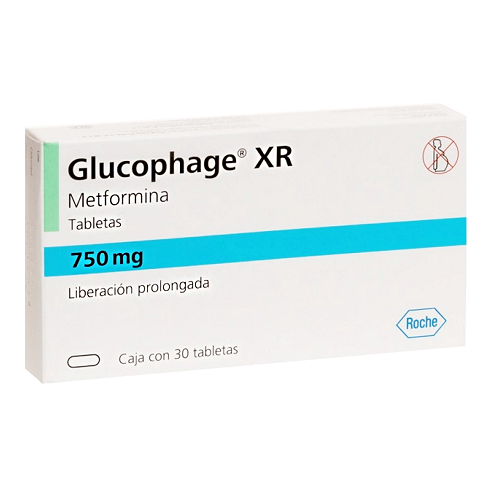
Glucophage (Metformin) in the United States: The Ultimate Medical Guide
Is a Prescription Required for Glucophage in the United States?
Yes, Glucophage (metformin) requires a valid prescription from a licensed healthcare provider in the United States. Purchasing Glucophage without a prescription is illegal and may expose you to counterfeit drugs, legal risks, or harm.
Glucophage: Key Facts at a Glance
| Parameter | Details (2026, United States) |
|---|---|
| Active Ingredient | Metformin hydrochloride |
| Drug Class | Biguanide antihyperglycemic agent |
| Indication | First-line therapy for type 2 diabetes mellitus |
| Prescription Status | Prescription-only (Rx only) |
| Price Range (2026) | $5–$25 for 30 tablets (generic); $30–$60 for brand-name Glucophage* |
| Onset of Action | Within days to weeks (glycemic effect) |
| Primary Contraindication | Severe kidney impairment (eGFR <30 mL/min/1.73m²) |
| Key Side Effect | Gastrointestinal upset (nausea, diarrhea) |
| Regulatory Authority | FDA (Food and Drug Administration) |
| Availability | Nationwide at licensed pharmacies (in-person or mail-order with prescription) |
*Prices may vary by pharmacy, insurance, and city (e.g., New York vs Dallas).
What Is Glucophage and Who Is It For?
Glucophage is the original brand name for metformin, a biguanide-class oral medication used as the first-line treatment for type 2 diabetes mellitus in adults and children over the age of 10. The main goal of Glucophage is to control high blood sugar and reduce the long-term risk of complications such as heart disease, kidney failure, and vision problems. It does not cure diabetes, but helps manage it.
- Glucophage is not indicated for type 1 diabetes or diabetic ketoacidosis.
- It is sometimes used “off-label” for polycystic ovary syndrome (PCOS), but this is less common and should only be done under specialist guidance.
In the United States, Glucophage is available in several forms, including immediate-release and extended-release (XR) tablets, typically dosed from 500 mg to 1000 mg per tablet. All forms require a prescription from a licensed provider.
In short: Glucophage helps lower blood sugar in people with type 2 diabetes, but should only be used under medical supervision.
How Does Glucophage Work in the Body? (Mechanism of Action Explained)
Metformin (the active ingredient in Glucophage) acts primarily by reducing hepatic gluconeogenesis — this means it decreases the amount of glucose produced by the liver. It also increases insulin sensitivity in muscle and fat tissues, helping cells absorb more glucose from the bloodstream. Unlike some other diabetes drugs, metformin does not increase insulin secretion and therefore does not typically cause low blood sugar (hypoglycemia) when used alone.
- At the molecular level, metformin activates AMP-activated protein kinase (AMPK), a cellular enzyme that inhibits glucose production and promotes glucose uptake.
- By acting on the liver, muscles, and gut, metformin lowers fasting and post-meal blood sugar.
- Recent studies (2023–2024) suggest a possible role in modifying gut microbiome, contributing to improved glucose tolerance [See PubMed].
Simplified metaphor: Imagine your liver is a sugar factory. Metformin tells it to slow down production and helps your muscles act like more efficient sugar sponges.
Pharmacokinetics: Metformin is absorbed mainly in the small intestine, is not metabolized by the liver, and is excreted unchanged by the kidneys. The typical half-life (T1/2) is about 4–8 hours for immediate-release, and up to 17 hours for extended-release formulations.
Expert Commentary from doctor
In my clinical practice, one of the biggest surprises for patients starting metformin is the delay in feeling tangible benefits. Unlike insulin or certain injectables, Glucophage doesn’t work overnight. I’ve seen patients become discouraged and stop taking it after a few days, thinking it’s ineffective. However, the true impact is seen in lab results over weeks, not days. Another point: many underestimate how strongly gastrointestinal side effects can influence adherence—starting low and going slow is key. I also advise patients to always disclose any new medications or supplements, as some can affect kidney function and make metformin unsafe. Finally, hydration is crucial; dehydration can increase the risk of lactic acidosis, a rare but serious complication.
How Should Glucophage Be Taken? Dosage and Administration
| Population | Standard Starting Dose | Max Daily Dose | Notes |
|---|---|---|---|
| Adults (18–65 years) | 500 mg once or twice daily (with food) | 2000–2550 mg/day (in divided doses) | Increase by 500 mg every 1–2 weeks as tolerated |
| Children (10–17 years) | 500 mg once daily | 2000 mg/day | Only with specialist oversight |
| Elderly (>65 years) | Start lower: 500 mg once daily | <2000 mg/day (based on kidney function) | Careful monitoring of kidney function |
- Tablets should be swallowed whole with meals. Extended-release formulations must not be split or chewed.
- Peak effect: Glycemic lowering is seen in 1–2 weeks, with maximum benefit after several weeks of regular use.
- Missed dose: Take as soon as remembered unless it is almost time for the next dose. Never double up doses.
Never exceed 2550 mg/day (immediate-release) or 2000 mg/day (extended-release), as this increases the risk of lactic acidosis.
Interactions with Food, Alcohol, and Lifestyle Factors
- Food:
-
- Take Glucophage with meals to reduce stomach upset.
- High-fat meals do not significantly alter absorption but may increase gastrointestinal side effects.
- Alcohol:
-
- Strictly limit or avoid alcohol while on Glucophage. Alcohol increases the risk of lactic acidosis, especially in large quantities (more than 2 drinks/day for men, 1 for women).
- Binge drinking or heavy, chronic alcohol use is a contraindication.
- Grapefruit juice:
-
- No clinically significant interaction reported. Unlike some other oral agents, metformin is not affected by grapefruit juice.
- Exercise and Lifestyle:
-
- Regular exercise and healthy diet amplify the glucose-lowering effect of Glucophage.
- Fasting, dehydration, or sudden weight loss may increase risk of rare side effects.
Myth vs Reality: Myth: Glucophage allows you to eat whatever you like. Reality: Diet and exercise remain key to diabetes control, even with medication.
Who Should Never Take Glucophage? (Absolute and Relative Contraindications)
| Contraindication Type | Clinical Detail | Why? |
|---|---|---|
| Absolute | Severe kidney dysfunction (eGFR <30 mL/min/1.73m²) | Increased risk of lactic acidosis; metformin is cleared renally |
| Absolute | Acute or chronic metabolic acidosis (including diabetic ketoacidosis) | Worsening of acid-base disturbances |
| Absolute | Recent history of severe alcohol intoxication | Synergistic risk for lactic acidosis |
| Absolute | Known allergy or hypersensitivity to metformin or excipients | Risk of severe allergic reaction |
| Relative | Moderate kidney impairment (eGFR 30–45 mL/min/1.73m²) | Use at reduced dose, monitor kidney function frequently |
| Relative | Heart failure with hypoperfusion or unstable state | Reduced clearance; monitor for lactic acidosis |
| Relative | Liver disease | Impaired lactate clearance; increased risk |
| Relative | Use of contrast agents (iodinated contrast for imaging) | Withhold Glucophage before and after scans as per guidelines |
- After a heart attack or major surgery: Only resume Glucophage under close medical supervision after stabilization and kidney function reassessment.
- If you are scheduled for any radiological procedure with contrast dye, notify your doctor to pause Glucophage in advance.
What Side Effects Are Most Common with Glucophage?
| Frequency | Side Effect | Mechanism/Notes |
|---|---|---|
| Very common (>1/10) | Diarrhea, nausea, abdominal pain, loss of appetite | Direct irritation of the gastrointestinal tract |
| Common (1/10–1/100) | Metallic taste, mild weight loss | Altered taste perception, decreased caloric intake |
| Uncommon (1/100–1/1000) | Vitamin B12 deficiency (with long-term use) | Reduced B12 absorption in the intestines |
| Rare (<1/1000) | Lactic acidosis (medical emergency) | Impaired glucose metabolism, especially in kidney/liver dysfunction |
| Very rare (<1/10,000) | Skin reactions (rash, redness) | Allergic response |
- Most gastrointestinal symptoms improve within 2–4 weeks. Slower dose titration helps reduce discomfort.
- If you experience severe vomiting, muscle pain, rapid breathing, or confusion, seek emergency medical attention — these may indicate lactic acidosis.
- Ask your doctor about annual vitamin B12 monitoring if you’ve been on metformin for over a year.
Common Patient Mistakes Observed by doctor
-
Stopping Glucophage abruptly due to mild stomach upset.
Problem: Early side effects often fade with continued use or slower dose increase.
Solution: Communicate with your provider about adjusting the dose or switching to extended-release. -
Taking doses on an empty stomach.
Problem: Increases risk of nausea and diarrhea.
Solution: Always take with food. -
Forgetting to inform the doctor about other medications, supplements, or new illnesses.
Problem: Drug interactions or acute conditions (like sudden kidney failure) can make continued metformin use dangerous.
Solution: Disclose all medicines and health events at every visit. -
Not pausing metformin before contrast dye imaging studies.
Problem: Risk of acute kidney injury and lactic acidosis.
Solution: Follow instructions to stop metformin 24–48 hours before and after imaging, as advised. -
Not drinking enough fluids, especially during illness.
Problem: Dehydration increases the risk of side effects.
Solution: Stay hydrated, especially during illness or hot weather. -
Believing it’s safe to skip blood tests for kidney function.
Problem: Kidney issues can develop silently and raise risk.
Solution: Get regular labs as recommended.
How Does Glucophage Compare to Alternatives? (Comparison Table)
| Medication (Brand/Generic) | Active Ingredient | Onset of Effect | Main Side Effects | Typical Monthly Cost (2026, US$) | Key Notes |
|---|---|---|---|---|---|
| Glucophage (Metformin) | Metformin | 1–2 weeks | GI upset, rare lactic acidosis | $5–$60 | First-line; weight neutral/loss; low hypoglycemia risk |
| Januvia (Generic: Sitagliptin) | Sitagliptin | Days to weeks | Headache, rare pancreatitis | $300–$450 | Oral; usually combined with metformin |
| Ozempic (Semaglutide) | Semaglutide | Several weeks | Nausea, GI upset, rare thyroid tumors | $850–$1100 | Injectable; helps with weight loss |
| Glipizide (Generic/Brand) | Glipizide | 1–2 hours | Risk of hypoglycemia, weight gain | $6–$30 | Often second-line; risk of low blood sugar |
- Glucophage (metformin) remains the standard due to proven efficacy, safety, and cost.
- Alternatives may be added if Glucophage is not tolerated or insufficient.
- Some new agents, like GLP-1 agonists, can aid weight loss but cost much more and require injections.
Bottom line: No single drug works for everyone. Discuss options with your provider based on cost, side effects, and your medical profile.
Questions Frequently Asked to doctor
- 1. Is it dangerous if I miss a dose of Glucophage?
- Missing a single dose isn’t usually harmful. Take it as soon as you remember, unless it’s almost time for your next dose—then skip the missed one. Never double up.
- 2. Can I drink alcohol while on Glucophage?
- Occasional, moderate alcohol may be tolerated, but regular or heavy use is risky and should be avoided. Alcohol can increase the chance of lactic acidosis, a rare but severe complication.
- 3. How long can I safely take Glucophage?
- Many patients remain on Glucophage for years without problems. Regular kidney and vitamin B12 checks are needed, as long-term safety relies on routine monitoring.
- 4. What happens if I take Glucophage with other diabetes medications?
- Metformin is often combined with other oral or injectable drugs when needed. However, some combinations may increase risk of low blood sugar or side effects—always review new prescriptions with your doctor.
- 5. Does Glucophage cause weight gain?
- No, and in fact, mild weight loss is common. This is a key advantage over some older diabetes medications.
- 6. Can children use Glucophage?
- It’s FDA-approved for children ages 10 and up, but should be prescribed by a pediatric specialist familiar with diabetes care.
- 7. I feel fine—do I still need to take Glucophage?
- Yes. Type 2 diabetes may have no symptoms, but high blood sugar quietly damages organs over time. Keep taking Glucophage unless your doctor says otherwise.
Key Characteristics Table: Glucophage
| Parameter | Value |
|---|---|
| Active Ingredient | Metformin hydrochloride |
| Available Strengths | 500 mg, 750 mg (XR), 850 mg, 1000 mg |
| Formulations | Immediate-release, extended-release (XR) |
| Common Dosage Frequency | 1–3 times daily (immediate); 1–2 times daily (XR) |
| Half-life (T1/2) | 4–8 hours (immediate); up to 17 hours (XR) |
| Peak Effect | Within 1–2 weeks of regular use |
| Insurance Coverage | Usually covered by Medicare, Medicaid, and most private insurers |
| Storage Recommendations | Store at room temperature; keep dry and away from sunlight |
How to Obtain Glucophage Legally in the United States: Step-by-Step
- Consult a Qualified Provider: Schedule a visit with your primary care physician, endocrinologist, or a diabetes specialist. Telehealth appointments are widely accepted in the U.S. for diabetes management.
- Medical Evaluation: Provide your full medical history, list all medications/supplements, and have blood tests (HbA1c, kidney function, etc.).
- Prescription Issued: If appropriate, your doctor will e-prescribe Glucophage to your chosen pharmacy (local or mail-order).
- Pharmacy Fulfillment: Pick up your medication at a licensed brick-and-mortar pharmacy (CVS, Walgreens, Rite Aid, etc.) or use a reputable mail-order pharmacy.
- Insurance and Payment: Present your insurance card. Most plans cover generic metformin with low copays. Without insurance, generic prices are often affordable.
- Follow-Up: Schedule regular follow-ups for lab monitoring and dose adjustments.
Tip: In major U.S. cities (e.g., Chicago, Los Angeles), many clinics offer same-day telemedicine appointments with rapid e-prescription delivery to your local pharmacy.
Is It Legal to Purchase Glucophage Online in the United States?
No, it is not legal to purchase Glucophage from an online source without a prescription. U.S. law (FDA) prohibits the sale of prescription medications like Glucophage without a valid prescription.
- Licensed U.S. online/mail-order pharmacies require a prescription and are regulated by the NABP VIPPS system. Look for the “VIPPS” seal on the website.
- Websites offering Glucophage without a prescription are often illegal, may sell counterfeits, and may even result in customs seizure.
- The prescription process protects your health by ensuring proper dose, screening for contraindications, and ongoing monitoring.
In short: Always use a licensed pharmacy—online or local—that requires a prescription from a U.S. provider.
How to Identify Counterfeit Glucophage and Compare with Generics?
Original Glucophage (brand):
- Manufacturer: Merck Sante (Sanofi-Aventis in the U.S.)
- Packaging: Tamper-evident, labeled with “Glucophage” and dose (e.g., 500 mg), lot number, and expiration date.
- Tablet: White, round or oblong, may have score line and company logo. Extended-release has “XR” marking.
- Packaging includes a patient information leaflet in English.
- Some U.S. packages include a QR code or hologram for authenticity.
- Same active ingredient (metformin hydrochloride), but may differ in color, shape, or excipients (inactive ingredients).
- FDA requires generics to be bioequivalent to the original (FDA Generic Drug Info).
- All generics in the U.S. are subject to strict quality controls—most patients can switch between original and generic with no difference in effect.
- Unusually low prices, foreign language packaging, or missing lot numbers are warning signs for counterfeits.
Tip: If in doubt, ask your pharmacist to verify origin, or contact the manufacturer directly using details on the package.
Compatibility Check: Glucophage with Other Products
| Product/Medication | Can It Be Combined? | Consequences/Notes |
|---|---|---|
| Aspirin (low dose) | Yes | No significant interaction |
| Insulin or GLP-1 agonists | Yes (with monitoring) | May increase hypoglycemia risk; dose adjustment needed |
| NSAIDs (e.g., ibuprofen) | With caution | Monitor kidney function in at-risk patients |
| Iodine contrast agents | STRICTLY NO (during, and 48h after) | Risk of acute kidney injury and lactic acidosis |
| Alcohol (heavy or binge drinking) | NO | Increases risk of lactic acidosis; avoid |
| Vitamin supplements (B12, D, etc.) | Yes | May actually help counteract B12 deficiency |
Always consult your doctor or pharmacist before starting any new medication or supplement.
Quality Check: How Should Genuine Glucophage Look?
- Tablet: White to off-white, round or oblong, with a score line and “500”, “850”, or “1000” marking, depending on strength; may have “XR” for extended-release.
- Packaging: Sealed blister packs or bottles with clear lot and expiration dates, manufacturer’s name, and product insert.
- Security features: Some U.S. packages have QR codes, holograms, or tamper-evident seals.
- Language: All labeling and patient information leaflets should be in English.
- Warning signs of counterfeit: Incorrect dose markings, unusual colors, non-English text, or lack of batch number. If the price is “too good to be true,” it probably is.
What Should I Do in Case of Accidental Overdose?
- Stop taking Glucophage immediately.
- Call 911 or your local emergency services without delay.
- Provide the emergency team or poison control (1-800-222-1222) with full information: dose taken, time, and any symptoms (especially vomiting, rapid breathing, confusion, or muscle pain).
- Do not try to induce vomiting unless directed by a medical professional.
- Continue to monitor for serious symptoms until help arrives.
Lactic acidosis is a rare but life-threatening emergency; immediate intervention is critical.
Specific Patient Groups: Elderly, Kidney Disease, and Other Scenarios
- Elderly (>65 years): Start at the lowest dose, monitor kidney function frequently. Lower maximum dose may be needed.
- Chronic kidney disease: Not recommended if eGFR <30 mL/min/1.73m². Use with caution and dose reduction if eGFR 30–45.
- Liver impairment: Increased risk of lactic acidosis—typically avoided.
- Pregnancy and breastfeeding: Not the first choice for gestational diabetes, but occasionally used if benefits outweigh risks. Discuss with a maternal-fetal specialist.
- Driving and machinery: Metformin alone does not cause hypoglycemia, so does not impair driving. Combining with other agents may increase risk.
- Fertility: No documented negative effects. Sometimes used in women with PCOS to help regulate cycles.
- Children (≥10 years): Requires specialist oversight for dosing and monitoring.
Is It Normal to Need Glucophage? Psychological Support
Having type 2 diabetes is extremely common and nothing to be ashamed of—millions of Americans use medications like Glucophage every day. It’s normal to feel anxious or overwhelmed at first. Medication is just one part of a comprehensive approach that includes lifestyle changes, support from family, and ongoing care. If you feel distressed, talking to your provider or a diabetes educator can be very helpful. Remember: managing diabetes is a sign of strength, not failure.
Professional Opinion of doctor
In my judgment, Glucophage (metformin) remains the cornerstone of type 2 diabetes therapy for most adults. Its benefits—effective blood sugar control, low risk of hypoglycemia, weight neutrality, and cardiovascular protection—outweigh its drawbacks for the majority of patients. I most often recommend it as the initial medication unless there is a clear contraindication such as advanced kidney disease or history of lactic acidosis. That said, not every patient tolerates metformin due to gastrointestinal discomfort, and some require additional agents for adequate control. For patients with significant weight issues or cardiovascular risks, newer agents like GLP-1 agonists or SGLT2 inhibitors may be considered, but cost and accessibility remain limiting factors. Ultimately, the best outcomes come from patient education, routine monitoring, and individualized care—never from a one-size-fits-all approach.
FAQ – People Also Ask
- Can Glucophage be purchased without a prescription in the United States?
- No. A valid prescription from a licensed healthcare provider is required by law.
- What should I do if I miss a Glucophage dose?
- Take it as soon as you remember unless it’s almost time for your next dose; never double up.
- How quickly does Glucophage lower blood sugar?
- It typically takes several days to weeks to see improvement in blood sugar readings.
- Can Glucophage cause hypoglycemia?
- Rarely, when used alone. Risk increases if combined with insulin or sulfonylureas.
- Is Glucophage safe during pregnancy?
- Sometimes used under specialized care, but not the first choice. Discuss risks and benefits with your doctor.
- Does Glucophage interact with alcohol?
- Yes. Heavy or chronic alcohol use increases the risk of serious side effects; avoid alcohol where possible.
- Are generics as effective as brand-name Glucophage?
- Yes. FDA-approved generics are bioequivalent and held to the same safety standards.
- What is the typical cost of Glucophage?
- Generic metformin can cost as little as $5–$25 per month; brand-name is usually higher.
- Can children take Glucophage?
- Yes, for children aged 10 and up, but only under specialist supervision.
- How do I know if my Glucophage is real?
- Check for correct markings, English labeling, and purchase only from licensed U.S. pharmacies.
Sources / References
- U.S. Food and Drug Administration (FDA) – Metformin Information: https://www.fda.gov/drugs/postmarket-drug-safety-information-patients-and-providers/metformin-containing-medicines-extended-release-forms
- American Diabetes Association (ADA) Clinical Guidelines (2026 Update): https://diabetes.org/
- Mayo Clinic – Metformin (Oral Route): https://www.mayoclinic.org/drugs-supplements/metformin-oral-route/description/drg-20067074
- PubMed – Recent Metformin Studies (2023–2024): https://pubmed.ncbi.nlm.nih.gov/
- Centers for Disease Control and Prevention (CDC) – Diabetes Data Statistics: https://www.cdc.gov/diabetes/library/factsheets/diabetes-statistics.html
- National Association of Boards of Pharmacy (NABP) – VIPPS Program: https://www.nabp.pharmacy/programs/vipps/
For more details, consult your provider or trusted pharmacy in your city.