- Home/
- Buy Rybelsus in Online Pharmacy – Fast Delivery in United States
A Fork in the Road: Why Rybelsus Enters the Conversation for Type 2 Diabetes
The endocrinologist folds her hands and looks across the desk. “We’ve tried metformin. Your sugars improved, but not enough. The injectable options make you hesitate. There’s another route—one that doesn’t involve needles.” This is where Rybelsus often appears: not as the starting gun in Type 2 Diabetes care, but as a turn in the road when the standard playbook isn’t cutting it, or when lifestyle and oral agents alone can’t do the job.
For many people living with Type 2 Diabetes in the United States, medication choices feel both overwhelming and oddly limited. Insulin is familiar but carries stigma and real burdens. Daily tablets are easy, but may lose steam over time. The idea of a once-daily oral medication—powered by semaglutide, a molecule previously only available by injection—promises a shift: control without the needle.
Patient true story: “I hated the thought of starting shots. But my numbers were creeping up, and my doctor said, ‘There’s a pill now, same stuff as those shots, works differently.’ I was skeptical, but I listened.”
Rybelsus is not a magic bullet. It’s a tool, and like any tool, it works best in the right hands and the right situation. Its arrival means the conversation about diabetes control opens up—especially for those who want more than metformin, less than insulin, and a daily routine that doesn’t revolve around syringes or pens.
More Than a Number: How Semaglutide Powers Rybelsus—And What That Means for You
Semaglutide, the active ingredient in Rybelsus, mimics the action of a natural hormone in your body called GLP-1. Unlike older diabetes pills that work mainly in the pancreas or liver, semaglutide acts in multiple places: it tells your pancreas to release insulin only when you eat, slows down your stomach, cuts appetite, and signals your brain you’re full.
- Blood sugar control: You’ll likely see your fasting and after-meal glucose levels drop. In clinical studies, many patients lowered their A1c (the average blood sugar over three months) by 1% or more.
- Weight loss: Most patients lose a few pounds. Some lose more. It’s not a guarantee, but it’s far more likely than weight gain—unlike with insulin or sulfonylureas.
- Low risk of hypoglycemia: Because semaglutide increases insulin only when needed, the risk of dangerously low blood sugar is low—unless combined with other drugs that cause hypoglycemia.
The oral form of semaglutide (Rybelsus) is absorbed differently from the injectable: you need to take it on an empty stomach, with a sip of water, and wait before eating. This isn’t just a technicality; it’s the reason Rybelsus can work as a pill—and why it can also be finicky if you break the rules.
- GLP-1 Receptor Agonist
- A class of medications that mimic the body’s own glucagon-like peptide-1 hormone, stimulating insulin secretion and lowering blood sugar after meals. Semaglutide, the key in Rybelsus, belongs to this class.
What does this mean for you? If you want an oral medicine that targets blood sugar and weight, with a low risk of hypoglycemia, Rybelsus is worth consideration. It is not for everyone, but it’s a step-change from older diabetes pills—both in mechanism and in results.
Tablet or Injection? Rybelsus vs. Other Diabetes Medications in Real Life
The pharmacy shelf is crowded. How does Rybelsus—as an oral semaglutide—stack up against the main alternatives? Here’s the comparison that matters most to patients: daily pill vs. weekly or daily injection vs. older oral agents.
| Attribute | Rybelsus (oral semaglutide) | Ozempic (injectable semaglutide) | Metformin (oral) | GLP-1 Injection (liraglutide, etc.) |
|---|---|---|---|---|
| How it’s taken | Once daily tablet, empty stomach | Once weekly injection | 1–2 times daily tablet | Daily injection |
| Main effects | Lower A1c, weight loss, low hypo risk | Lower A1c, weight loss, low hypo risk | Lower A1c, weight neutral or loss | Lower A1c, weight loss |
| Common side effects | Nausea, stomach upset | Nausea, stomach upset | GI upset, vitamin B12 deficiency | Nausea, possible injection site reactions |
| Risk of low blood sugar | Low (unless combined with sulfonylurea/insulin) | Low (unless combined with sulfonylurea/insulin) | Low | Low |
| FDA approval for heart benefit | None (as of 2024) | Yes | None | Liraglutide: Yes (others: variable) |
| Insurance coverage (U.S.) | Varies, sometimes requires prior authorization | Similar, prior authorization common | Widely covered, low cost | Coverage varies by agent |
| Generic available? | No | No | Yes | Variable |
| Who should not use | History of medullary thyroid cancer, MEN2, severe GI disease | Same | Severe kidney disease | Same as Rybelsus for class |
| Typical out-of-pocket cost | $800–$900/month (before insurance) | Similar | ~$4–$20/month (with generic) | Often high, varies |
Nailing the Details: How to Take Rybelsus for Real Results
The difference between “on Rybelsus” and “getting results with Rybelsus” is all in the routine. This isn’t a medication you can take with your morning coffee or after breakfast; absorption is everything, and the rules are strict for a reason.
- Take Rybelsus as soon as you wake up, on an empty stomach.
- Swallow the tablet whole with no more than 4 ounces of plain water. No juice, no coffee, no chewing.
- Wait at least 30 minutes before eating, drinking, or taking any other medications.
- Consistency is key: take it the same way, at the same time, every day.
If you eat or drink too soon, you may absorb much less semaglutide—enough to make the medication less effective. Missing the 30-minute window now and then won’t undo everything, but repeated slip-ups can mean slower progress or even no benefit at all.
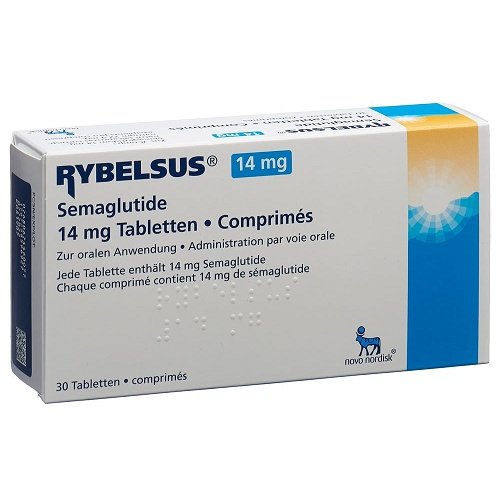
The starting dose is usually 3 mg once daily for the first 30 days. Most patients then move up to 7 mg, and some to 14 mg, depending on blood sugar response and side effects. Dose increases are never rushed; your doctor will guide you based on your numbers and how your stomach handles it.
| Patient Stage | Dose | Duration |
|---|---|---|
| Starting (first 30 days) | 3 mg once daily | 30 days |
| Usual maintenance | 7 mg once daily | As long as effective/tolerated |
| May increase if needed | 14 mg once daily | After at least 30 days at 7 mg |
Practical note: All doses cost roughly the same in the U.S., so a higher dose doesn’t mean a bigger pharmacy bill—though insurance steps and authorizations still apply.
Which Side Effects Matter Most with Rybelsus—And When to Act
Stomach issues are the most common reason patients stop Rybelsus—not some rare or scary side effect you never saw coming. Nausea, diarrhea, indigestion, decreased appetite, or vomiting may appear in the first days or weeks. Usually, these fade as your body adjusts, but sometimes they linger or intensify.
Rare but serious risks do exist: severe abdominal pain (think: sharp and persistent), signs of pancreatitis, very low blood sugar if combined with insulin or sulfonylureas, and, in extremely rare cases, allergic reactions. In animal studies, semaglutide has been linked to thyroid C-cell tumors, which is why people with certain thyroid conditions should avoid it.
- Expected effects: Nausea, loose stools, mild appetite loss—these are common and often improve with time.
- Warning signs: Severe abdominal pain, vomiting that won’t stop, trouble swallowing or breathing, a lump in your neck—these are not normal. Call your doctor.
| Side Effect | How Common? | When Should You Call a Doctor? |
|---|---|---|
| Nausea | 20–25% | If severe, persistent, or causing dehydration |
| Diarrhea | 10–15% | If persistent, bloody, or leads to dehydration |
| Abdominal pain | 5–10% | If severe, sudden, or does not go away |
| Vomiting | 5–10% | If ongoing or you’re unable to keep liquids down |
| Low blood sugar (with insulin or sulfonylurea) | <5% (higher with combo) | If you feel weak, shaky, confused, or faint |
| Allergic reaction | Rare | Call 911 for swelling, trouble breathing, or rash with fever |
| Thyroid tumor signs | Very rare | Contact your doctor for neck swelling/lump, trouble swallowing |
Most side effects don’t require stopping the medication; adjusting the dose or taking breaks between increases can help. But don’t “tough it out” with severe symptoms—your doctor can help you decide if a switch makes sense.
When Not to Take Rybelsus: Who Should Say No (or Pause)
- Personal or family history of medullary thyroid carcinoma (MTC)
- Multiple Endocrine Neoplasia syndrome type 2 (MEN2)
- Known hypersensitivity to semaglutide or any ingredients in Rybelsus
- Severe stomach or intestinal disease (e.g., gastroparesis)
- History of pancreatitis
- Significant kidney or liver impairment (not absolute, but dosing and monitoring may change)
- Pregnancy or planning to become pregnant (not recommended; safety not established)
- Under age 18 (not approved)
Even if you’re not in one of the “do not use” groups, let your doctor know about any thyroid nodules, allergies, or unusual symptoms before or during treatment. No drug is worth risking a serious complication.
Getting Rybelsus in the U.S.: Costs, Coverage, and Pharmacy Tips
In the United States, Rybelsus is prescription-only. No over-the-counter or legally online options exist—every dose must come through a licensed pharmacy, based on a valid prescription from your healthcare provider.
- Insurance coverage: Most commercial plans and Medicare Part D cover Rybelsus, but prior authorization is common. Expect your doctor’s office to submit paperwork showing you have tried (and not achieved goal with) metformin and possibly other agents.
- Pharmacy fulfillment: Major chain and independent pharmacies stock Rybelsus, but the highest dose (14 mg) may require a 1–2 day order.
- Manufacturer savings programs: Novo Nordisk offers copay cards and patient assistance for those who qualify. Details are at their official site [rybelsus.com].
- Typical U.S. cost: Without insurance, expect $800–$900/month (2024 data). With insurance and copay programs, many pay $25–$100/month; some pay more, depending on deductible and plan rules.
Medicare and Medicaid coverage varies state to state. Be ready to appeal or request a coverage exception if denied at first—persistence pays, especially with supporting clinical notes from your doctor.
- Prior Authorization
- Extra approval required by insurance before covering a medication, often asking the doctor to document why cheaper alternatives were not effective or appropriate.
If cost is an obstacle, ask your provider about alternatives—the injectable version (Ozempic) may have similar coverage hurdles, but some patients find differences in copay or savings eligibility. No true generic for semaglutide exists as of 2024.
From the Clinic: A Doctor’s Take on Who Thrives with Rybelsus
doctor:
“What surprises many patients is that success with Rybelsus isn’t just about blood sugar. I see the best results in people who are motivated to follow the morning routine exactly. If you’re organized—maybe you already set alarms for meds—you’re likely to do well. But if your mornings are chaotic, or you can’t go 30 minutes without coffee, it’s tough. Some patients try it, realize the routine doesn’t fit, and we switch. The pill option is fantastic for the right person, but only if the daily details match your real life. I always tell patients: this is a partnership, not a one-sided prescription.”
This perspective is echoed by diabetes educators and pharmacists across the country. Rybelsus expands options for people who want to avoid injections, but it’s not a “set and forget” prescription. Integrating it into your day—and being honest if it’s not working—makes all the difference.
Questions You Didn’t Know to Ask About Rybelsus
- Can I take Rybelsus at night instead of in the morning?
- No—Rybelsus must be taken first thing in the morning on an empty stomach. The unique absorption of semaglutide relies on a completely empty stomach, which is hardest to guarantee at any other time.
- How long does it take to see results with Rybelsus?
- Most people notice changes in blood sugar within a few weeks. A1c improvements and weight changes can take 2–3 months, especially as the dose increases gradually.
- What if I vomit soon after taking my tablet?
- If vomiting occurs within minutes, absorption may be incomplete; however, do not take another dose. Wait until the next scheduled dose and let your doctor know if this happens often.
- Does Rybelsus help with weight loss as much as injectable semaglutide?
- The oral and injectable forms have similar mechanisms, but clinical trials suggest weight loss may be slightly less with Rybelsus than with Ozempic. Individual results vary widely.
- Can I split or crush the tablet if I have trouble swallowing?
- No—Rybelsus tablets must be swallowed whole. Crushing, splitting, or chewing the tablet will destroy the special coating needed for absorption.
- Can Rybelsus be used with other diabetes medications?
- Yes, but combinations must be carefully managed. When used with insulin or sulfonylureas, your doctor may lower the dose of those drugs to avoid low blood sugar.
- Can I order Rybelsus from an online pharmacy?
- In the U.S., Rybelsus is prescription-only and should only be obtained from licensed U.S. pharmacies. Be wary of any site offering it without a prescription—it’s illegal and potentially unsafe.
- Is there a risk of thyroid cancer with Rybelsus?
- In animal studies, semaglutide increased the risk of thyroid C-cell tumors. So far, human data do not show this risk, but anyone with a personal or family history of medullary thyroid cancer or MEN2 should avoid Rybelsus.
References
- U.S. Food and Drug Administration (FDA)
- Rybelsus (semaglutide) Prescribing Information, Novo Nordisk, 2024
- Rybelsus Official U.S. Patient Site
- American Diabetes Association. Standards of Medical Care in Diabetes—2024
- Mayo Clinic: Type 2 Diabetes Overview
- American Association of Clinical Endocrinology. Clinical Practice Guidelines for Type 2 Diabetes, 2023
- ClinicalTrials.gov