
- Home/
- Buy Lasix in Online Pharmacy Across the United States Safely
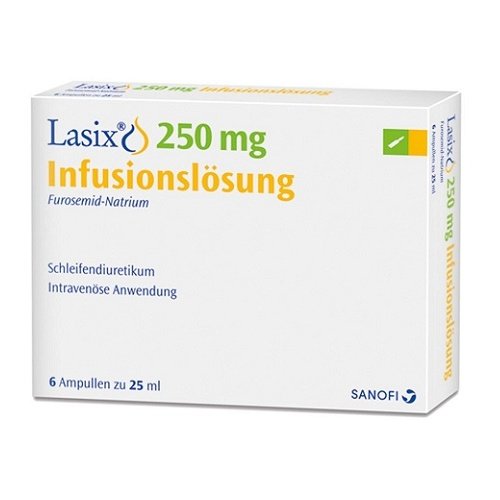
This article is for informational purposes only. Medication use is only possible after consultation with a doctor. Self-medication with prescription drugs such as Lasix (furosemide) can be dangerous and is not legally permitted in the United States.
Table of Contents
- Can I buy Lasix without a prescription in the United States?
- Lasix (Furosemide) in Brief: Key Facts
- How does Lasix actually work in the body?
- What is the recommended Lasix dosage and how do you take it safely?
- How do food, alcohol, and lifestyle impact Lasix?
- Who should NOT use Lasix? Contraindications explained
- What side effects are most common with Lasix?
- How does Lasix compare to alternatives for edema?
- Key characteristics and quick reference table
- How do you get Lasix legally in the United States? A step-by-step guide
- Is it legal and safe to order Lasix online in the United States?
- How to spot counterfeit Lasix (and generics): A visual safety checklist
- Compatibility Check: Lasix with other medications and products
- Special considerations for different patient groups
- What if I overdose on Lasix? Emergency Steps
- What should I do if Lasix doesn’t work?
- Dealing with edema: Psychological support and next steps
- Frequently Asked Questions (FAQ) about Lasix in the United States
- References
- About the Author
Can I buy Lasix without a prescription in the United States?
No, you cannot buy Lasix (furosemide) without a prescription in the United States. Lasix is classified as a prescription-only medication by the U.S. Food and Drug Administration (FDA). Purchasing or using it without a valid prescription is illegal and puts your health at risk. Only a licensed healthcare provider can determine if Lasix is appropriate and safe for your condition.
Lasix (Furosemide) in Brief: Key Facts
- Active Ingredient: Furosemide
- Drug Class: Loop diuretic (“water pill”)
- Primary Uses: Edema caused by heart failure, liver disease, kidney disease; high blood pressure
- Onset of Action: Oral: ~30–60 minutes; IV: ~5 minutes
- Main Contraindication: Severe electrolyte imbalance, anuria (no urine output), allergy to sulfonamides
- Prescription: Required in the United States
- Availability: Brand and FDA-approved generics; oral and injectable forms
- Insurance Coverage: Commonly covered by Medicare, Medicaid, and most private insurers
How does Lasix actually work in the body?
Lasix (furosemide) is a loop diuretic—a medication designed to increase urine production. It works at the ascending limb of the loop of Henle in your kidneys. Technically, furosemide inhibits the sodium-potassium-2-chloride (Na⁺-K⁺-2Cl⁻) co-transporter in the thick ascending limb of the nephron. By blocking this transporter, Lasix prevents reabsorption of sodium and chloride; as more sodium stays in the urine, water follows, resulting in increased diuresis (urine output).
This leads to a rapid reduction in excess fluid (edema) from the body and helps lower blood pressure by reducing blood volume. The effect is generally independent of food intake, but can be influenced by electrolyte balance and kidney function.
Simplified metaphor: Imagine your kidneys as a dam with a valve. Lasix opens the valve wider, letting more water and salt flow out to relieve pressure and swelling downstream.
Myth vs Reality:
Myth: “Lasix flushes only water.”
Reality: Lasix causes your body to lose both water and essential minerals (electrolytes) like potassium, sodium, and magnesium—careful monitoring is crucial.
What is the recommended Lasix dosage and how do you take it safely?
- Standard Adult Dosage (Oral)
- Initial dose for edema: 20–80 mg orally, once or twice daily. Adjust in increments of 20–40 mg every 6–8 hours as needed. Maintenance: Customarily 20–40 mg daily.
- Maximum Dosage
- Do not exceed 600 mg/day (adults); higher doses only under specialist supervision.
- Elderly and Renal Impairment
- Start at lower doses (e.g., 20 mg) and titrate cautiously. Patients with kidney impairment may require higher doses for effect, but monitoring is more critical.
- Pediatric Dosage
- Initial: 1–2 mg/kg per dose orally; do not exceed 6 mg/kg daily.
- Duration of Effect
- Peak effect seen 1–2 hours after oral dose; duration 6–8 hours. Intravenous route works faster (peak in 30 mins).
- Splitting Tablets
- Standard Lasix tablets can be split if scored. Some generics may not be scored; ask your pharmacist.
Always take Lasix exactly as prescribed. Taking more can lead to severe dehydration and electrolyte disturbances. If you miss a dose, take it as soon as remembered—unless it’s almost time for your next dose. Never double up doses.
How do food, alcohol, and lifestyle impact Lasix?
| Factor | Impact on Lasix | Advice |
|---|---|---|
| Fatty meals | May delay absorption by ~1 hour, but total effect remains | Take with or without food; consistency preferred |
| Grapefruit juice | No known significant effect on Lasix | No restrictions |
| Alcohol | May worsen low blood pressure, dizziness, risk of dehydration | Avoid or use extreme caution |
| Salt consumption | High salt can reduce effectiveness (body retains fluid) | Follow low-salt diet as advised by your doctor |
| Potassium-rich foods | May help offset potassium loss | Discuss potassium supplements or diet with your doctor |
Bottom line: Take Lasix at the same time each day. Avoid alcohol and high-salt foods. If you experience dizziness, dehydration, or muscle cramps, seek medical attention.
Who should NOT use Lasix? Contraindications explained
Absolute Contraindications (Never Use):
- Severe electrolyte depletion (especially low potassium or sodium)
- Anuria (inability to produce urine)
- Severe hypersensitivity to furosemide or sulfonamides
- Hepatic coma (coma due to liver failure)
Relative Contraindications (Use with Caution):
- Gout (may worsen uric acid levels)
- Diabetes mellitus (can affect blood sugar control)
- Renal dysfunction (risk of excessive fluid or electrolyte loss)
- Pregnancy—especially in the first trimester (risk to fetus)
- Severe hypotension (low blood pressure)
Key Drug Interactions:
- Do NOT combine with aminoglycoside antibiotics (increased risk of hearing loss)
- Use extreme caution if taking lithium, ACE inhibitors, or other antihypertensives
- Monitor closely if on digoxin (risk of arrhythmias if potassium falls)
Always report all current medications and medical conditions to your healthcare provider before starting Lasix.
What side effects are most common with Lasix?
Very Common (>1 in 10):
- Increased urination (polyuria)
- Electrolyte disturbances (low potassium, sodium, magnesium)
- Dehydration (thirst, dry mouth)
Common (1 in 100 to 1 in 10):
- Low blood pressure (dizziness, fainting)
- Muscle cramps or weakness
- Elevated blood sugar or uric acid
- Hearing disturbances (at high doses or IV use)
Rare (<1 in 1,000):
- Serious skin reactions (rash, blistering)
- Severe allergic reactions (anaphylaxis)
- Pancreatitis, jaundice
- Kidney dysfunction, blood disorders
What should I do if I experience side effects?
- Stop Lasix and seek emergency help for severe reactions (rash, swelling, breathing difficulties)
- Contact your physician for dizziness, muscle cramps, confusion, or hearing changes
- Never adjust or stop medication without consulting your healthcare provider
Mechanism insight: Most side effects are related to water and mineral losses. Regular blood tests are typically required to monitor for these problems. Sudden hearing loss or ringing in the ears may signal toxicity—report immediately.
How does Lasix compare to alternatives for edema?
| Medication | Onset (oral) | Duration | Primary Use | Main Risks | Typical Price (30 tabs, 40mg, USD) |
|---|---|---|---|---|---|
| Lasix (furosemide) | 30–60 min | 6–8 hrs | Edema, HTN | Electrolyte loss, dehydration | $5–$35 (generic), up to $100 (brand) |
| Bumex (bumetanide) | 30–60 min | 4–6 hrs | Edema (stronger potency) | Electrolyte loss, ototoxicity | $20–$60 (generic) |
| Hydrochlorothiazide | 2 hrs | 6–12 hrs | Hypertension, mild edema | Less potent, similar risks | $3–$15 (generic) |
| Spironolactone | 2–4 hrs | 12–24 hrs | Edema, HF, ascites | Potassium retention, hormone effects | $10–$30 (generic) |
Commentary: Lasix is often chosen for rapid, potent fluid removal. Alternatives like Bumex are used if Lasix is not effective or tolerated, while hydrochlorothiazide is milder. Spironolactone may be preferred for specific conditions like heart failure or liver disease. Discuss with your doctor which option fits your specific case—never switch without medical advice.
Key characteristics and quick reference table
| Generic Name | Furosemide |
| Brand Names | Lasix, others |
| Formulations | Tablets (20, 40, 80mg); oral solution; injection |
| Bioavailability | ~60% (oral) |
| Half-life | 1–2 hours (normal kidney function) |
| Metabolism | Primarily excreted unchanged by kidneys |
| Peak Effect | Oral: 1–2 hours; IV: 30 minutes |
| Pregnancy Category | C (risk cannot be ruled out) |
| Controlled Substance? | No |
| Prescription Status | Prescription required in United States |
| Insurance/Reimbursement | Covered by most plans |
For more about furosemide, consult our detailed pharmacology guide.
How do you get Lasix legally in the United States? A step-by-step guide
- Consult a licensed healthcare provider: Schedule an appointment with your primary care physician, cardiologist, nephrologist, or qualified telehealth provider. In-person or virtual consultation is acceptable according to U.S. law.
- Medical evaluation: The doctor assesses your symptoms, reviews your medical history, and may order lab tests (electrolytes, kidney function, etc.) to determine if Lasix is appropriate.
- Obtain a prescription: If medically indicated, your provider will issue an electronic or paper prescription.
- Fill the prescription: Bring your prescription to a licensed U.S. pharmacy (e.g., CVS, Walgreens, local independent) or use a verified online pharmacy accredited by the National Association of Boards of Pharmacy (NABP).
- Pick up or arrange legal delivery: Some pharmacies and telehealth platforms deliver medications directly to your home after verifying your identity and prescription.
Note: U.S. federal law prohibits the sale and shipment of prescription drugs like Lasix without a valid prescription. If you have trouble accessing a doctor locally, consider telemedicine platforms registered in your state.
Is it legal and safe to order Lasix online in the United States?
Ordering Lasix online is legal only if:
- The pharmacy is licensed in the United States and accredited by NABP (look for the .pharmacy seal).
- You have a valid U.S. prescription from a licensed healthcare provider.
Risks of using unverified or foreign online sources:
- Counterfeit or substandard drugs (may contain wrong ingredients or none at all)
- Possible customs seizure and legal penalties
- No pharmacist counseling or protection if problems arise
In short: Only use U.S.-licensed online pharmacies. If a website offers Lasix without a prescription, it is illegal and potentially dangerous.
How to spot counterfeit Lasix (and generics): A visual safety checklist
- Packaging: U.S. Lasix is supplied in sealed blisters or bottles, with clear labeling including NDC (National Drug Code) numbers, lot/batch numbers, and expiration date. Look for manufacturer names like Sanofi Aventis or FDA-listed generic manufacturers.
- Tablet appearance: Lasix 40 mg tablets are typically white, round, scored, with an imprint code (e.g., “Lasix 40” or manufacturer’s code). Generics may have different markings—always verify with your pharmacy.
- Price: If the price is far below market rates, be suspicious. Counterfeits are often sold cheaply.
- Packaging security: U.S. products may include tamper-evident seals, QR codes, or holograms depending on the manufacturer. Check these against the manufacturer’s website.
- Pharmacy verification: Buy only from pharmacies listed in the NABP Safe Pharmacy database.
Generics: FDA-approved generics must meet bioequivalence standards. They may contain different inactive ingredients (excipients) which rarely cause reactions, but if you have allergy concerns, ask your pharmacist.
Compatibility Check: Lasix with other medications and products
| Product/Drug | Can it be combined? | Consequences/Notes |
|---|---|---|
| ACE inhibitors (e.g., lisinopril) | With caution | Monitor blood pressure, risk of low potassium/sodium |
| NSAIDs (ibuprofen, naproxen) | Generally not recommended | May reduce diuretic effect, worsen kidney function |
| Digoxin | With caution | Risk of arrhythmias if potassium falls |
| Amikacin/gentamicin (aminoglycosides) | Strictly NO | High risk of hearing loss |
| Potassium supplements | Often recommended | May be prescribed to prevent low potassium |
| Alcohol | Avoid | Increases risk of low blood pressure, dehydration |
Always inform your doctor or pharmacist about all prescription and over-the-counter medications, vitamins, and supplements you are taking.
Special considerations for different patient groups
Elderly patients:
- Start at lower doses due to increased sensitivity to dehydration and electrolyte imbalance.
- Monitor kidney function and blood pressure closely.
Pregnancy and breastfeeding:
- Use only if potential benefit outweighs risk; may reduce milk supply if used during lactation.
- Not recommended in pregnancy unless there is a clear medical need.
Patients with liver disease:
- Can be used for ascites (fluid buildup), but under close specialist supervision due to risk of electrolyte shifts and worsening encephalopathy.
Kidney impairment:
- May require higher doses; monitor for worsening kidney function.
Ability to drive or operate machinery:
- Lasix may cause dizziness or fainting, especially when standing up quickly. Use caution with activities requiring alertness until you know how it affects you.
No clinical evidence shows Lasix affects fertility or family planning when used as directed.
What if I overdose on Lasix? Emergency Steps
- Stop taking Lasix immediately.
- Call 911 or emergency services in the United States without delay.
- Be ready to provide details: how much you took, when, and any other medications.
- If possible, bring the medication bottle/packaging to the hospital.
- Do not attempt to self-treat severe dehydration or electrolyte loss.
Warning: Symptoms of overdose may include severe dizziness, confusion, fainting, muscle weakness, irregular heartbeat, and inability to urinate. Rapid treatment is essential to prevent life-threatening complications.
What should I do if Lasix doesn’t work?
- Do not increase your dose on your own. Edema can have many causes, and resistance to diuretics may mean your underlying condition has changed.
- Contact your doctor if you have not noticed improvement in swelling, or if your weight does not decrease within a few days of starting Lasix.
- Doctor may order additional tests, change your dose, or add another medication. Non-pharmaceutical options (elevating legs, salt restriction) may also help.
In short: If Lasix seems ineffective, the solution is not to take more, but to seek timely reassessment by your healthcare provider.
Dealing with edema: Psychological support and next steps
Edema—especially when chronic—can be frustrating and emotionally draining. You are not alone: millions of Americans manage fluid retention due to heart, kidney, or liver disease. Many people feel overwhelmed or embarrassed by swelling or weight gain; these feelings are normal.
“After my heart failure diagnosis, my ankles swelled up so much I couldn’t fit into my shoes. I felt embarrassed and anxious. My doctor explained that Lasix was just one part of the solution, not a magic fix. Now I combine it with diet and daily walks—and it’s manageable.” — Patient, Chicago
If you are struggling, consider discussing your experience with a trusted friend, support group, or counselor. Many hospitals in the United States offer nurse navigators or social workers to help manage the psychological impact of chronic edema.
Frequently Asked Questions (FAQ) about Lasix in the United States
- Can I use Lasix every day?
- Yes, if prescribed by your doctor. Lasix is often used daily for chronic conditions, but dosing and frequency should be individualized and monitored.
- How long does it take for Lasix to start working?
- Oral Lasix usually starts working within 30–60 minutes; intravenous forms act within 5 minutes.
- Do I need regular blood tests while taking Lasix?
- Yes. Routine monitoring of electrolytes, kidney function, and, in some cases, blood sugar is standard care while on Lasix.
- Is there a risk of addiction or dependence?
- No traditional addiction risk, but your body can become dependent on Lasix for fluid control—abruptly stopping can cause rebound edema.
- Can I get Lasix delivered to my home legally?
- Yes, if you use a licensed U.S. pharmacy or telemedicine service with a valid prescription. Unverified online “pharmacies” are not legal or safe.
- What does Lasix cost in the United States?
- Generic furosemide costs $5–$35 per 30 tablets (40 mg) without insurance. Most insurance plans, Medicare, and Medicaid provide coverage.
- Is Lasix safe in pregnancy?
- Lasix is not routinely recommended in pregnancy and should only be used when clearly needed under close medical supervision.
- What’s the difference between original Lasix and generics?
- Generics must meet FDA bioequivalence standards and have the same active ingredient; inactive ingredients may differ but efficacy and safety are comparable for most patients.
- Are there lifestyle changes that can help edema?
- Yes—elevating legs, reducing salt intake, regular exercise, and weight management all help improve fluid retention alongside medication.
References
- FDA. Lasix (furosemide) prescribing information. Accessed June 2026.
- National Institutes of Health, MedlinePlus. Furosemide. Accessed June 2026.
- PubMed: Felker GM et al. “Loop Diuretics in Acute Decompensated Heart Failure: Necessary and Sometimes Harmful.” JACC Heart Fail. 2024;12(2):150-161. Link
- Cochrane Review. Diuretics for heart failure. Published 2024.
- American Heart Association. Diuretics: A key treatment for heart failure. Accessed June 2026.
- National Association of Boards of Pharmacy. Safe Pharmacy Verification. Accessed June 2026.